What Phone Accessories Sell Best in Australia
Discover top categories and high-margin phone products that sells best in Australia. Ideal for wholesale, dealers, and p...

I'm the COO of GOBEAR. We help entrepreneurs, mall operators, 3C mobile stores, event venues, and campus retailers tap into high-margin, low-maintenance vending models.
Most operators chase foot traffic, but big crowds don’t guarantee a profit. If you’re losing 30% of your gross to mall commissions, you’re basically working for the landlord. With the industry hitting a $31 billion high this year, scaling is about picking margins over volume. Let’s break down why a "boring" gas station often beats a crowded retail hub when you look at the bottom line.
Malls drive high-volume leisure browsing, while gas stations dominate with hyper-local, high-frequency repeat visits that resist economic downturns.
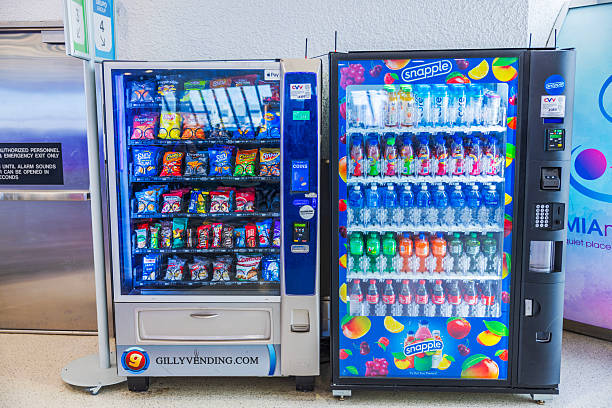
Shopping malls operate as destination hubs. They draw high-density crowds looking for multi-store shopping and entertainment. Gas stations and convenience stores capture a completely different audience. They rely on hyper-local, repeat traffic, with customers averaging nearly nine trips per month.
Economic shifts expose the contrast between these two environments. When fuel prices rise, mall visits drop because consumers cut back on discretionary travel. Convenience store traffic remains consistent because it relies on embedded daily routines rather than planned excursions.
Mall visitors naturally stay longer. Their focus on leisure and browsing creates lucrative opportunities for impulse purchases along high-traffic corridors.
Gas station customers move with purpose. They average just eight to nine minutes per visit, driven entirely by immediate fuel needs and quick food grabs. You have a narrow window to capture their attention.
Smart operators change this dynamic through targeted upgrades. Locations investing in expanded food service stretch average customer visits past 20 minutes. This extended dwell time significantly boosts retail exposure and increases the likelihood of secondary vending purchases.
Gas station vending thrives on quick commuter needs. Malls cater to leisurely, peer-influenced browsing. Flawless machine operation and high visibility drive repeat purchases in both environments.
Gas station customers typically experience severe time constraints. This urgency drives immediate, grab-and-go purchases focused heavily on caffeine and quick energy solutions. Malls cultivate a different environment where patrons engage in leisure-driven browsing. This relaxed pace leads to peer-influenced snack choices and encourages consumers to explore a broader variety of products.
Both locations rely heavily on impulse buying. Eye-level displays and familiar brand recognition capture sudden consumer cravings, immediately converting foot traffic into sales.
Age and lifestyle heavily influence inventory performance at the machine level.
High-traffic placement dictates initial conversion rates, but equipment reliability secures long-term profitability. Machine malfunctions and inadequate refund systems actively deter repeat buyers. Operators must guarantee seamless operation to maintain customer retention through 2026.

Gas station vending machines generate a higher average sale per visit ($2 to $4) than shopping malls ($1.50 to $3.50) driven by captive, on-the-go impulse buyers.
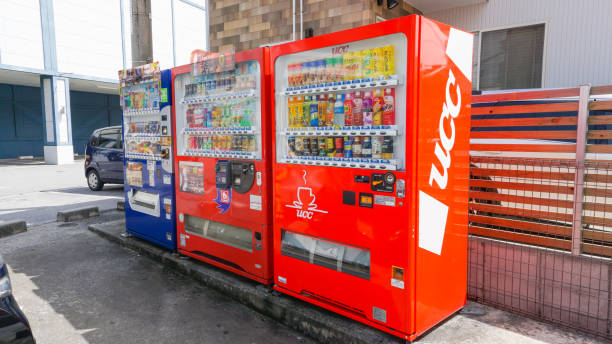
Foot traffic intent dictates exactly how much money goes into your machines. Captive audiences behave entirely differently than leisure shoppers, which creates a noticeable gap in average spend.
You can push your average ticket higher by optimizing machine technology and product selection. Strategic upgrades encourage customers to spend more per transaction without requiring extra foot traffic.
Gas stations offer lower commissions and simpler contracts, yielding solid margins. Malls charge premium rates and extra fees but deliver massive sales volume to offset those costs.
Location dictates the financial split between the operator and the venue. Gas stations supply steady, predictable traffic from fuel customers. Because of this consistency and lower barrier to entry, venue owners here typically demand a smaller cut. Operators benefit from straightforward maintenance access and often secure free electricity, keeping overhead low.
Shopping malls command these higher rates because they deliver massive foot traffic. The sheer volume of buyers drives up total revenue, allowing operators to secure strong dollar-value profits even after the venue takes a much larger percentage.
Signing a venue contract involves more than just agreeing on a revenue split. Mall properties aggressively monetize their floor space and pile on extra operating expenses that eat into your bottom line.
You must assess specific venue traffic data before finalizing any agreement to secure favorable terms. Do not offer your best rate upfront. Experienced vendors start commission offers between 5% and 10% based on proven sales performance. Alternatively, they negotiate hybrid contracts. Combining a flat monthly fee with a lower commission percentage helps operators balance risk and protect margins during slow months.
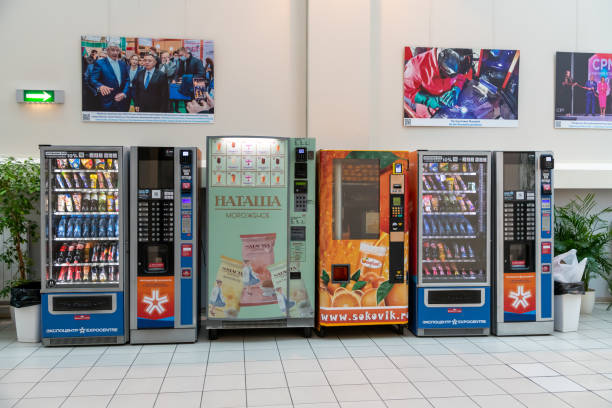
Tailoring your vending product mix to the specific traffic patterns of gas stations versus shopping malls dictates your revenue floor and long-term profitability.
| Location | Primary Audience | Ideal Product Mix | Revenue Drivers |
|---|---|---|---|
| Gas Stations | Commuters, road-trippers, locals | Convenience foods, healthy drinks, quick snacks | Impulse buys near checkouts or pumps |
| Shopping Malls | Leisure shoppers, families | Varied snacks, electronics, personal care | High visibility in steady demographic crowds |
Gas stations attract a captive audience of commuters and local drivers looking for quick essentials. This around-the-clock traffic drives a steady, predictable demand for convenience goods. Rushed customers prioritize speed, making grab-and-go items highly effective for capturing immediate sales.
Shopping malls draw leisure crowds and families who browse with much longer dwell times. These visitors expect a diverse inventory tailored to their specific demographics, ranging from budget-friendly snacks and themed venue refreshments to electronics and personal care items.
Operating in these retail venues requires navigating heavy competition from staffed kiosks and adjacent food courts. Fluctuating seasonal foot traffic also makes daily sales consistency much harder to maintain than at a typical roadside convenience store.
Gas stations usually pay for themselves in 6 to 12 months because the startup costs are so low. Malls take much longer, sometimes up to two years, due to heavy deposits and those massive 30% commission cuts.
Nighttime tampering is the main headache at gas stations, so tough cabinets are non-negotiable. Malls are generally safer, but you’ll still deal with "soft" vandalism like jammed coin slots or screen smudges from high-volume foot traffic.
Stick to flat fees for gas stations to keep more upside as your sales grow. For malls, a commission deal acts as insurance. If sales dip during slow seasons, you aren't stuck writing a massive rent check.
Gas stations are great because you can restock whenever it fits your route. Malls are much trickier; they usually force you into strict "pre-opening" windows, which can seriously mess with your labor costs and driver schedules.
Telemetry is a lifesaver in high-rent areas. It stops you from making pointless trips and ensures your best-sellers never run out. In 2026, maximizing every mall visit is the only way to beat those steep commissions.
Success in vending depends on matching your profit margins to the specific intent of your location. While gas stations offer steady ROI, malls provide the sheer volume needed to scale quickly.
GOBEAR helps you capture these markets with specialized DIY phone cases and automatic screen protector machines designed for any venue. Our hardware is built to turn high-traffic zones into consistent, high-margin revenue streams. Ready to scale your automated retail business? Contact us today to build your roadmap.
Share your business vision with us. Our automated retail experts will craft a tailored strategy and a comprehensive profitability report to unlock your next revenue stream.