Is Phone Case Printing Profitable in USA
Phone Case Printing Profitable USA: Discover high margins & rapid ROI for B2B ventures. Explore scalable operations and ...

I'm the COO of GOBEAR. We help entrepreneurs, mall operators, 3C mobile stores, event venues, and campus retailers tap into high-margin, low-maintenance vending models.
Privacy screen protectors have become one of the fastest-growing accessories in the mobile device market. From commuters working in public spaces to professionals handling confidential data, users increasingly rely on privacy filters to prevent visual hacking.
However, the performance of a privacy screen protector depends heavily on the materials used in its construction. Privacy screen protectors use different substrate materials, including tempered glass, PET, and TPU. Each material affects optical clarity, durability, privacy angle, and the overall user experience.
This guide explains how privacy screen protector materials work, compares the most common options, and outlines the key factors manufacturers and sourcing teams should consider when selecting high-quality materials.
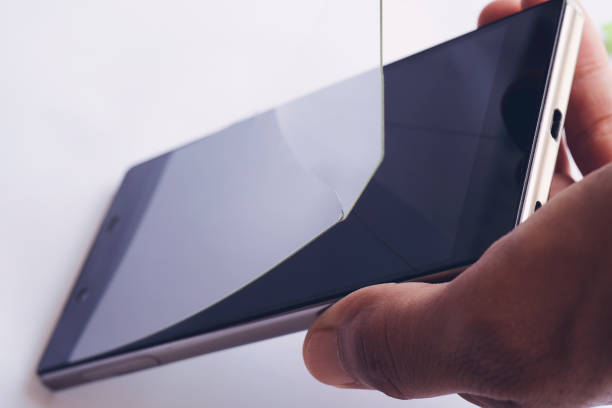
The functionality of a privacy shield is based on a multi-layered optical construction. The material acts as a gate for light, using a precision-engineered microlouver layer embedded between protective outer films. This layer consists of thousands of vertical slats spaced mere microns apart.
These internal slats control the exit angle of the screen's light. The slats physically block the light path once the viewing angle shifts beyond a specific threshold. This limit is typically between 28 and 30 degrees, causing the screen to appear black to onlookers.
When viewed from a 0-degree angle, light passes through the gaps with high transmittance. To ensure a quality experience, the material must maintain 85–90% transmittance at the center. This prevents significant screen dimming, which is a common complaint with lower-grade privacy films.
Your distribution model and target device types will determine which substrate is most appropriate for your inventory. Each material offers a different balance of surface hardness, impact resistance, and flexibility to meet specific consumer needs across various retail and automated price points.
|
Material Type |
Technical Core |
Operational Benefit (for Vending) |
Primary Trade-Off |
|---|---|---|---|
|
Tempered Glass |
9H Hardness (Pencil); Double Ion-Exchange. |
High Value: Maximum retail margin per slot. |
Fragile: Can shatter during rough dispensing. |
|
PET Film |
Ultra-thin; high optical clarity. |
Volume: Low cost; high-speed turnover. |
Rigid: Limited fit for curved-edge screens. |
|
TPU Film |
85A-95A Shore Hardness; Self-healing. |
Reliable: Zero inventory damage in the machine. |
Feel: Rubbery texture compared to glass. |
|
Hybrid Materials |
PET + PMMA multi-layer stack. |
Safe Bet: Shatter-proof with a glass-like feel. |
Hardness: Lower scratch resistance than 9H. |
This is the standard for premium retail. Utilizing Aluminosilicate glass, these protectors undergo a double ion-exchange process to reach a 9H hardness rating. They provide the best touch response and scratch resistance. However, they are rigid and must be stocked in pre-cut sizes.
PET is a cost-effective, ultra-thin plastic option best suited for high-volume, budget-conscious markets. While it offers basic scratch protection, it lacks impact absorption. Additionally, it cannot conform to the curved displays found on most modern flagship smartphones, limiting its use for premium devices.
Thermoplastic Polyurethane is highly flexible and features "self-healing" properties. It uses a polycaprolactone top-layer that allows microscopic surface scratches to disappear over time. This makes it the ideal substrate for curved screens and high-impact environments where glass might be prone to cracking.
Hybrid protectors utilize a multi-layer stack of PET and PMMA, providing a shatter-proof alternative to glass. These materials combine the surface tension of glass with the impact resilience of plastics. They are highly reliable for automated vending, where preventing inventory damage is a priority.
When vetting samples, focus on these technical metrics to ensure the product meets professional quality standards. You must look beyond marketing claims and verify performance through standard industry tests to maintain the long-term profitability of your screen protector product line.
Verify the "blackout" threshold during testing. A tighter angle provides superior privacy for the user. However, you must ensure it does not significantly reduce display brightness at the center. Poorly aligned louvers can cause a hazy image even when viewed straight-on.
Confirm the material's actual resistance to surface damage. A verified 9H rating ensures the protector remains free of scratches from keys or coins. This maintains the optical integrity of the product over long-term use, reducing the frequency of customer complaints and returns.
Evaluate the Transmittance Rate carefully. You should prioritize materials that maintain at least 85–90% light transmittance. Lower rates result in a dim display, which leads to increased battery consumption. Customers often reject privacy screens if they are forced to increase their brightness.
This is measured through standard "drop-ball" tests. TPU and Hybrid materials generally offer better energy absorption than traditional tempered glass. They are the preferred choice for users who prioritize screen protection. These flexible materials effectively dissipate force, preventing the smartphone's display from shattering.
To increase product value and retail margins, you can source materials that integrate specialized coatings. These value-added features address secondary consumer concerns, such as eye strain and surface hygiene, making your product more competitive in a saturated marketplace of basic screen protectors.
Anti-Blue Light: These filters block the 420nm–450nm HEV spectrum. This functional wellness feature reduces eye strain for heavy device users. It is an effective selling point for customers who use their phones for business or social media during late evening hours.
Anti-Glare (AG): A low-haze matte finish diffuses environmental reflections. This is a critical feature for customers working in bright offices or outdoor settings. It improves screen legibility under sunlight without significantly impacting the clarity of the text or images on the display.
Anti-Bacterial Layers: Silver-ion coatings inhibit the growth of bacteria on the screen surface. This provides a hygienic benefit for frequently touched devices. It is a highly relevant feature in modern retail, appealing to health-conscious consumers looking for an extra layer of protection.
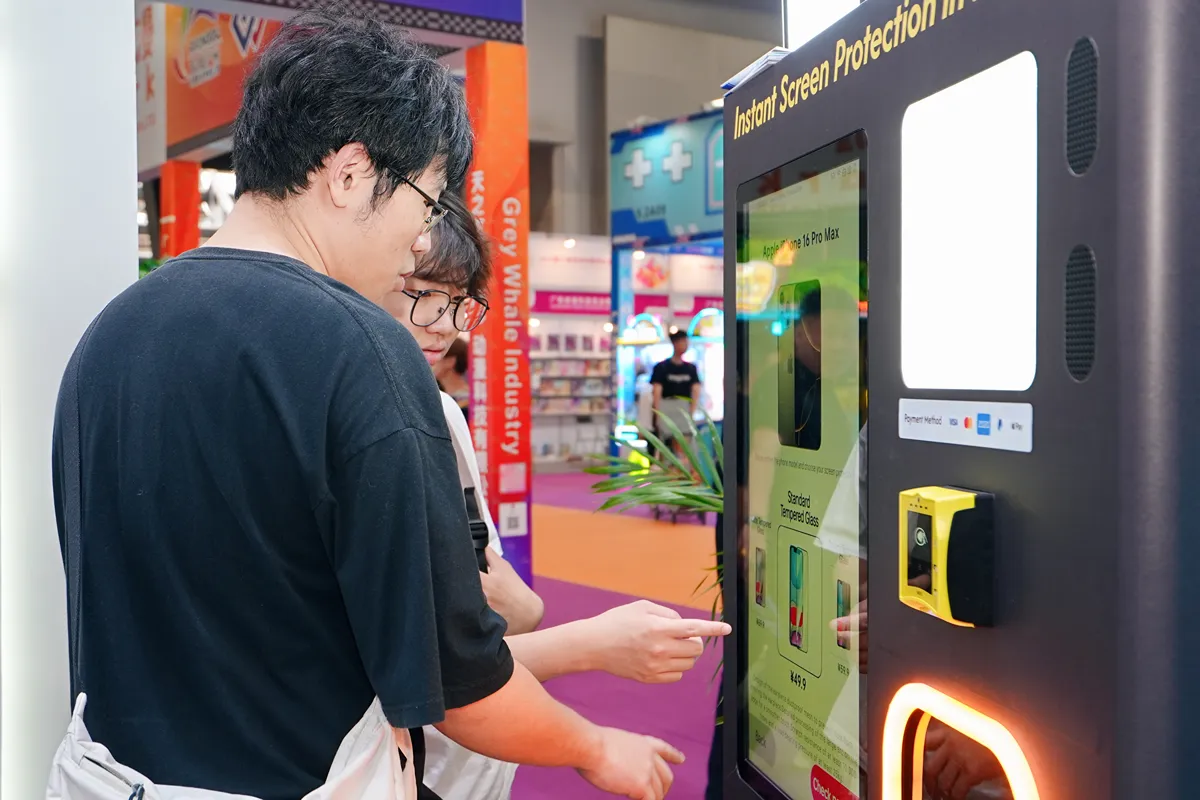
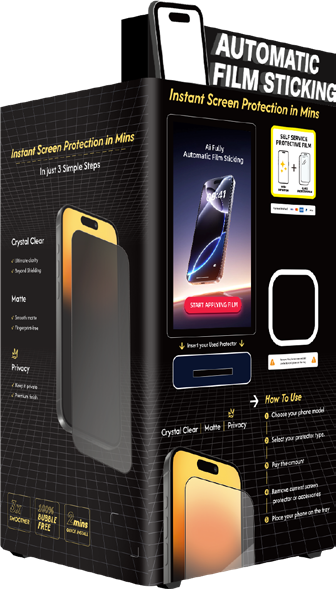
Vending machines store pre-cut protectors for popular models. As an operator, your challenge is managing limited slot space. You must choose high-margin materials that ensure a high success rate for unassisted customer installations, maximizing the return on every individual inventory slot.
Prioritize high-demand materials like Aluminosilicate tempered glass. Unlike standard clear glass, privacy versions command a higher retail price, increasing your profit per dispensed unit. This ensures that every inch of your machine's physical space generates the maximum possible revenue from your investment.
Ensure materials are robust enough to survive mechanical dispensing systems. Whether your machine uses coils or elevators, the protector must remain pristine. Selecting glass with a high-quality anti-shatter layer prevents internal damage, ensuring customers always receive a product in perfect condition for use.
Failed customer installations are a significant cause of revenue loss. Since there is no staff to assist users, the material's adhesive system is critical. Source protectors utilize high-viscosity silicone with air-release channels, allowing customers to achieve a bubble-free fit in under 120 seconds.
To increase success rates, choose materials that include a disposable alignment tray. This physical tool ensures the microlouvers are perfectly centered on the display. Proper alignment is essential for maintaining the 28-degree viewing angle that provides the product's primary privacy benefit to users.
When stocking for flagship devices, you must account for ultrasonic fingerprint sensors. Privacy materials are naturally thicker due to the internal louver layer. For tempered glass, 0.33mm remains the premium standard, but the adhesive must be thin enough to maintain touch sensitivity.
For curved-screen models that are difficult to fit with rigid glass, stock pre-cut TPU or Hybrid protectors. A thickness between 0.15mm and 0.20mm is typically the most reliable choice. These materials ensure fingerprint sensors function correctly while providing an effective privacy blackout for customers.
Sourcing the right privacy screen protector material requires a balance of optical physics and operational logic. Whether you are managing a retail supply chain or a fleet of on-demand kiosks, the clarity and installation success rate of your materials will determine your long-term profitability.
GOBEAR specializes in advanced automatic screen protector vending machines designed for high-traffic environments. By integrating the high-performance materials discussed in this guide, GOBEAR ensures every dispensed unit meets professional standards for optical clarity, durability, and a successful, bubble-free user installation.
Contact us today to explore how our automated vending solutions can transform your accessory business with premium privacy protection.
Yes, but only slightly. The price difference is usually just a couple of dollars. The extra cost comes from the specialized micro-louver technology that provides the privacy filter, not from a major difference in the base manufacturing materials.
No, they are generally just as durable, if not more so. Privacy features are added as extra layers to standard materials like tempered glass. These additional layers can actually make the protector stronger than its non-privacy counterpart.
When viewed straight-on, a high-quality privacy protector should not significantly impact screen clarity, color, or touch sensitivity. The goal is to obscure the view from the sides while maintaining a normal user experience for the person directly in front of the screen.
A 2-way privacy protector blocks visibility from the left and right sides, which is ideal for holding your phone in portrait mode. A 4-way protector blocks the view from all four sides—left, right, top, and bottom—providing privacy in both portrait and landscape orientations.
Share your business vision with us. Our automated retail experts will craft a tailored strategy and a comprehensive profitability report to unlock your next revenue stream.