
I'm the COO of GOBEAR. We help entrepreneurs, mall operators, 3C mobile stores, event venues, and campus retailers tap into high-margin, low-maintenance vending models.
What Phone Accessories Sell Best in Australia
This analysis provides data on Australia's leading accessory categories and their profit potential. We evaluate items like phone cases, screen protectors, and charging gear, noting typical gross margins from 40% to over 80%, to guide your inventory and pricing strategies.
Australia's Best-Selling Phone Accessories
Cases, screen protectors, charging gear, power banks, and earbuds lead sales in Australia. Device protection, power, and ecosystem compatibility drive this demand.
Leading Phone Accessory Categories in Australia
Australia's phone accessory market sees consistent high demand for items that protect devices, offer charging convenience, and support mobile lifestyles. These categories show strong sales in both mainstream retail and online channels.
- Phone Cases: These are the highest-volume items. Clear, shockproof, wallet, and MagSafe-compatible cases for iPhone users sell best. Consumers buy them for drop protection, style, and slim design.
- Screen Protectors: Tempered glass protectors are a core, high-turnover item. Demand is strongest for new flagship phones. Privacy and anti-glare versions also perform well.
- Charging Cables: Cables are frequently replaced. USB-C to USB-C, USB-C to Lightning, and USB-A to Lightning cables are key, driven by cable wear, loss, and the need for fast charging.
- Power Banks: These remain popular due to heavy mobile use, commuting, and travel. Best sellers balance capacity, fast charging, and portability.
- Wireless Earbuds/Earphones: A strong lifestyle category, especially for true wireless earbuds that pair across devices. Buyers prioritize battery life, call quality, and water resistance.
- Wireless Chargers: Strongest sellers among users with newer iPhones and Android phones supporting Qi charging. Pads, stands, and multi-device chargers lead here, with MagSafe-style options prominent for Apple users.
- Car Mounts and Car Chargers: Popular for navigation and hands-free use. Vent mounts, magnetic mounts, and fast USB-C car chargers are common purchases.
- Adapters and Dongles: Important for mixed-device households. USB-C, Lightning, and audio adapters are often purchased to ensure compatibility.
Factors Driving Accessory Sales in Australia
Several key factors consistently drive strong phone accessory sales across Australia. These revolve around consumer needs, market dynamics, and product accessibility.
- Device Protection: Most consumers buy a case and screen protector immediately after getting a new phone. They see it as a necessary first purchase to protect their investment.
- Battery Life: Mobile-first usage and heavy app drain make battery life a daily pain point. Power banks, car chargers, and fast cables offer immediate solutions.
- Compatibility and Upgrades: Changes in ports, wireless standards, and device ecosystems create steady demand. This drives repeat purchases as users upgrade or replace devices.
- Accessible Pricing: Compared to expensive phones, most accessories are low-cost. This makes them impulse or add-on purchases, supporting high turnover.
- Strong iPhone Ecosystem: iPhone accessory demand is particularly robust. Apple devices have a large installed base and a stable accessory ecosystem, driving sales.
- Online Marketplaces: These platforms dominate sales as consumers compare prices, compatibility, and reviews before buying.
- New Model Launches: Major phone launches create sharp spikes in demand for cases and screen protectors. Retailers must stock up during these periods.
- Regional and Travel Use Cases: Australia's geography and travel culture support demand for power banks, car chargers, and durable cases.
Phone Cases
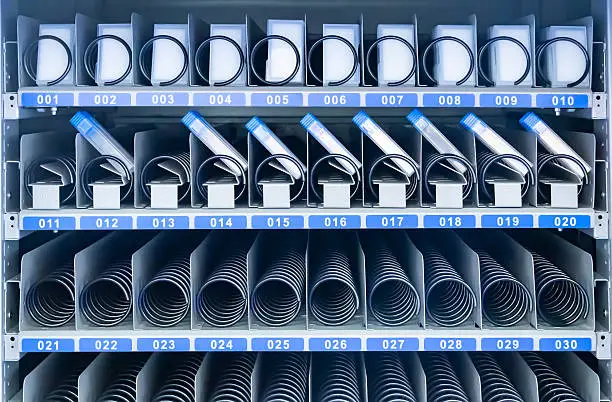
Phone cases are a core, high-profit accessory in Australia. Device protection, style, and eco-conscious consumer choices drive demand across diverse product types and sales channels.
Australian Market Landscape and Demand Drivers
Phone cases are a core accessory. Customers frequently buy them when they get a new device. They also contribute significant retail profit margins.
Consumers demand protection against drops and impacts, especially for expensive smartphones.
Looks, personalization, and matching current fashion trends strongly motivate purchases.
Durability, material quality, and resistance to wear drive consumer choice and repeat business.
Growing interest in eco-friendly, recyclable, and biodegradable phone cases influences brand preference.
Essential compatibility with leading smartphone models, like iPhone, Samsung Galaxy, and Google Pixel ranges, keeps products relevant in the market.
Sales happen through diverse channels. These include telcos, electronics retailers, online marketplaces, and specialized accessory stores.
Buyers choose cases based on protection versus bulk, overall look and feel, precise fit, environmental impact, and brand trustworthiness.
Key Product Categories and Innovation Trends
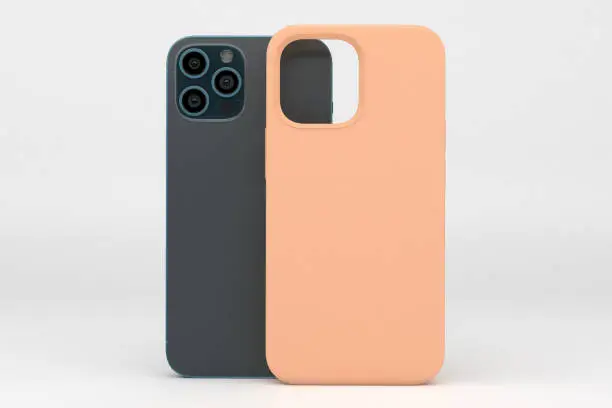
Protective/Rugged Cases: These cases provide maximum impact resistance. They feature multi-layer construction, reinforced corners, and raised bezels.
Slim/Clear Cases: These are popular for minimal bulk and showing off the phone's design. Many have anti-yellowing formulations.
Fashion/Designer Cases: These cases focus on style, patterns, and brand collaborations. They appeal to consumers who see cases as fashion statements.
Wallet/Folio Cases: They combine phone protection with card and cash storage. Customers favor them for all-in-one functionality.
Eco-Friendly/Sustainable Cases: These use biodegradable or recycled materials. They meet environmental concerns and support sustainable practices.
Leading brands focus on strong protection, stylish designs, durability, and environmental responsibility in their product offerings.
Common materials include TPU for flexibility, polycarbonate for rigid protection, silicone for grip, and bioplastics for sustainable options.
Construction ranges from simple single-layer designs to advanced multi-layer rugged cases. This includes magnetic compatibility for newer devices.
The market divides into budget, mid-range, and premium pricing. This reflects differences in features, brand, and material quality.
Good merchandising means balancing stock across case types. It means prioritizing coverage for the latest device models and highlighting protection and eco-credentials.
Unlock High-Profit Vending: Custom Cases, Fast ROI
Our AI-powered machines deliver premium custom phone cases with a potential 1-month payback and no software fees. Benefit from robust Epson printheads, a 3-year warranty, and cloud management for effortless, high-capacity operation.
Explore Our Vending Solutions → 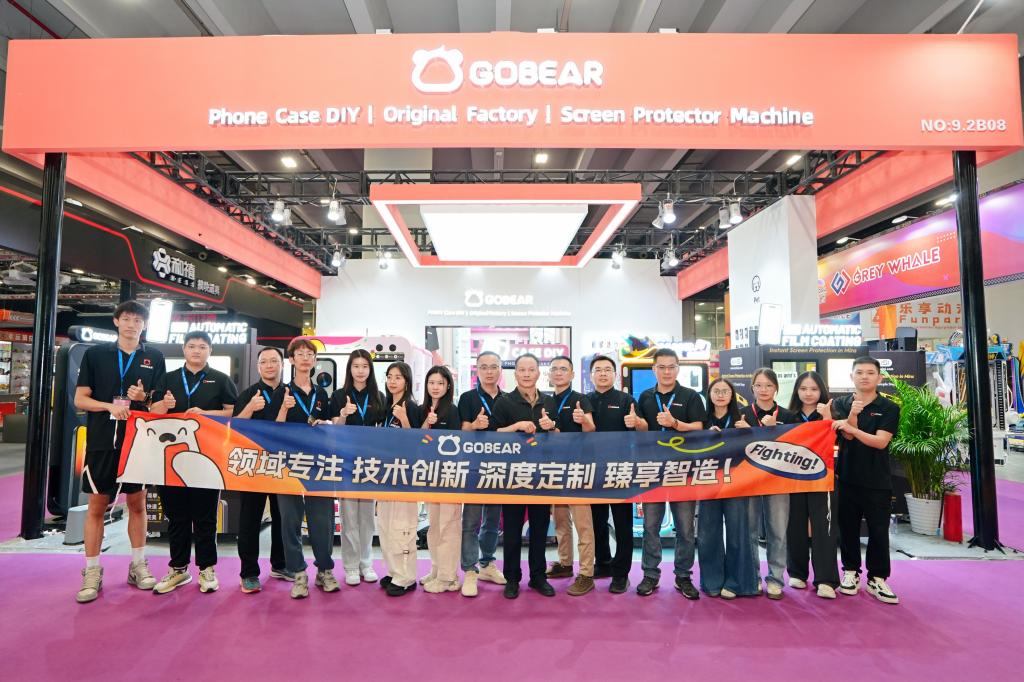
Screen Protectors
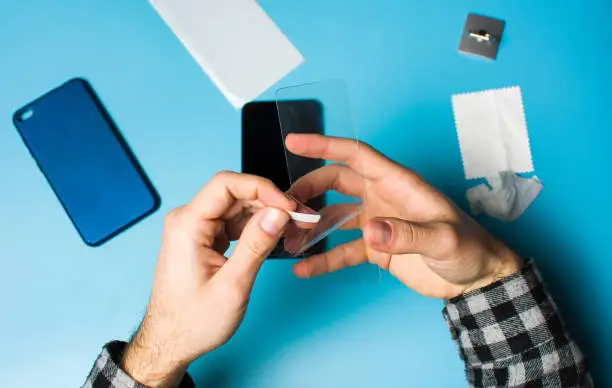
Screen protectors are core accessories in Australia, driven by device protection needs. Retailers find high margins in these products, especially tempered glass, and they leverage bundling with cases.
Product Categories and Key Features
Screen protectors are a high-volume, repeat-purchase item in Australia. They protect devices and address consumer demand for scratch and crack resistance, particularly for expensive flagship phones.
The most popular type is tempered glass screen protectors. These are common for mid to high-end devices, such as iPhones, Samsung Galaxy, and other premium Android phones. Consumers value them for 9H hardness (scratch resistance), shatter resistance during drops, oleophobic coatings to reduce fingerprints, and edge-to-edge coverage for modern curved screens.
Next are flexible or film protectors made from PET or TPU. People use these for budget devices or if they prefer a thin, less noticeable layer of protection. They also work when tempered glass might lift on curved screens or interfere with a phone case. These are generally lower-priced and often sold in multi-packs.
Privacy screen protectors are gaining traction, especially in urban areas and for commuters. They limit viewing angles, protecting on-screen information from prying eyes. These are typically positioned as a premium upsell.
Niche segments buy anti-blue light, matte, or other specialty protectors. Gamers might choose matte, anti-glare versions for smoother use. Professionals concerned about eye strain often look for blue-light filtering protectors. These specialty types carry a premium price.
Customers distinguish between premium branded protectors and generic options. Branded protectors usually offer a more precise fit, better coatings, and stronger packaging. Unbranded options are cheaper, but quality can vary. Brands also use lifetime warranties or free replacement policies to stand out.
Market Dynamics and Retail Approaches
Screen protectors are key accessories in Australia. They sell as add-ons with new phone purchases, in repair shops, and through carrier stores and marketplaces. The high cost of new devices and repair encourages people to buy preventative protection.
Retail prices for standard tempered glass generally range from AU$15–AU$40 in physical stores. Specialty and branded premium protectors often go for **AU$30–AU$60**. Film protectors or multi-packs usually sell for AU$10–AU$25.
Gross margins for screen protectors are high. Wholesale costs are much lower than retail prices. Stores can add an installation fee, which further boosts profit per unit. Bundling protectors with other accessories, like cases, helps increase sales volume.
Physical stores, repair shops, and kiosks rely on protector sales as add-ons to repairs or impulse purchases. Professional installation is a key value-added service. Many customers prefer professional application to avoid bubbles or misalignment.
Carrier stores and big box retailers often sell brand-name protectors with new device launches. They routinely bundle screen protectors with phones and cases. Online marketplaces offer broad choices and competition, driving sales of bulk packs and specialty protectors.
Retailers prioritize tempered glass for most customers. They position privacy and specialty protectors as higher-margin upsells. Staff training focuses on promoting protectors with every device sale and offering quick, professional installation. Bundled offers with cases and insurance also work well.
Inventory management means stocking fast-moving models like the latest iPhones and major Samsung phones. Universal or cut-to-fit protectors cover low-volume older devices. Urban stores often have wider assortments than suburban retailers.
Charging Accessories
Australia's accessory market thrives on fast charging, USB-C, and multi-device ownership, driving high demand across diverse product categories.
Leading Charging Accessory Categories and Features (2026)
The charging accessory market in Australia sees clear product leaders. Users expect faster charging, better connectivity, and durable designs for their devices.
- Strong demand for 20W–65W USB-C PD/PPS wall chargers, with GaN technology gaining share for compact, higher wattage options.
- Rapidly increasing sales of durable USB-C to USB-C and USB-C to Lightning cables, with focus on braiding and extended lengths (2–3 m).
- Widespread adoption of Qi-standard wireless charging pads and growing popularity of MagSafe-style and multi-device charging stations.
- Best-selling portable power banks are 10,000–20,000 mAh with USB-C PD fast-charging capabilities.
- Dual-port USB-C car chargers and integrated wireless charging mounts are common for commuters and rideshare drivers.
Market Dynamics and Consumer Purchase Drivers (2026)
Several forces shape the charging accessory market in Australia, affecting consumer behavior and sales strategies.
- High smartphone penetration (over 90%) in Australia sustains consistent demand for charging accessories.
- Market growth driven by fast-charging adoption, USB-C standardization, and multi-device ownership.
- High replacement rates for cables and wall chargers due to loss, breakage, or upgrades ensure steady repeat sales.
- Impulse purchases are common, with accessories strategically placed near checkouts and phone displays.
- Consumers prioritize fast charging, brand trust, durability, and adherence to Australian electrical safety standards.
- Retail strategies include merchandising by handset brand, cross-selling with phones/cases, and bundling travel or multi-device kits.
- Seasonal peaks around Christmas, EOFY, and back-to-school periods boost sales of premium and multi-device charging solutions.
MagSafe Accessories
MagSafe accessories are growing fast in Australia, driven by new iPhones. Expect high demand for chargers, power banks, cases, and mounts.
Top-Performing MagSafe Accessory Types in 2026
MagSafe chargers, including pads, pucks, and multi-device stations, remain core, high-volume products for iPhone users in 2026.
MagSafe power banks are highly popular for on-the-go, cable-free charging. They offer strong repeat-purchase potential in 2026.
MagSafe car mounts see consistent demand. They are essential for navigation and hands-free driving, especially with stricter regulations in 2026.
MagSafe stands, docks, and desk accessories gain traction. Professionals using hybrid or remote setups use them for enhanced productivity in 2026.
MagSafe wallets and card holders appeal to urban Australian markets. Their slim design and RFID protection drive this appeal in 2026.
Market Dynamics and Strategic Considerations for MagSafe Accessories in 2026
The MagSafe accessory market in Australia shows strong growth in 2026. This is driven by widespread iPhone MagSafe compatibility.
MFM-certified third-party brands like Belkin, Anker, ESR, and Nomad secure significant market share. They offer competitive pricing and enhanced functionality over Apple's premium line in 2026.
Australian consumers prioritize several factors. These include safety (MFM certification), 15W fast charging, strong magnet stability, and compatibility with their phone cases in 2026.
Pricing strategies in 2026 include premium tiers from Apple and high-end MFM brands. Mid-tiers like Anker and ESR offer value, and budget options are also available.
Effective merchandising in 2026 highlights MFM certification. It demonstrates specific use cases such as commuting, travel, or working from home, and uses clear visual displays.
Retailers in 2026 increasingly feature dedicated MagSafe sections. This affirms its status as a distinct and rapidly expanding subcategory.
Gaming Accessories
Australia's gaming phone accessory market grows with budget-friendly options, console-like experiences, and comfort, driven by strong online and bundled sales.
Top-Selling Gaming Phone Accessories for 2026 in Australia
- Gaming Controllers: Demand for console-like experiences drives sales of Bluetooth and telescopic controllers; budget to mid-range options are popular. Premium brands also perform well at retailers like JB Hi-Fi and EB Games.
- Mobile Gaming Headsets and Earphones: Wired and low-latency Bluetooth headsets are popular. Australian gamers favor affordable, 'good enough' options from Kmart and JB Hi-Fi. Cross-device compatibility with PC and console boosts value.
- Gaming Phone Cases and Grips: High demand exists for cases optimized for gaming. These offer improved grip and heat dissipation for prolonged play. Retailers like Kogan, Amazon AU, and JB Hi-Fi frequently bundle them with other accessories.
- Gaming Phone Stands, Mounts, and Docks: Adjustable stands and controller mounts support comfortable, hands-free play. Cooling stands with integrated fans cater to advanced users.
- Cables, Charging Solutions, and Power Accessories: High-durability USB-C and Lightning cables with right-angle connectors, alongside power banks, are essential for extended gaming sessions. Gaming accelerates battery drain.
- Cooling Accessories: Clip-on fans and heat-dissipating cases appeal to performance-conscious mobile gamers, especially for graphically intensive titles in Australia's climate.
Strategic Approaches for the Australian Gaming Accessory Market in 2026
- Price Positioning: Australian buyers frequently seek affordable gaming accessories and sales events. Kmart leads for budget items. JB Hi-Fi often discounts top brands. Kogan and Amazon AU excel with value bundles.
- Distribution and Purchasing Behavior: Gamers frequently purchase hardware online from specialist sites and global marketplaces. A hybrid physical and online retail model works well. Cross-compatibility across PC, console, and mobile platforms drives sales.
- Comfort and Ergonomics: Gamers prioritize ergonomic design for extended sessions. This translates to phone accessories like non-slip grips, lightweight headsets, and adjustable stands.
- Retail Positioning and Merchandising: Cross-category merchandising, placing gaming phone accessories alongside general phone accessories and PC/console peripherals, helps customers find them. 'Mobile gaming kits' combining multiple accessories align with successful bundle marketing strategies. Key Australian sale events drive significant volume.
Which Products Have the Highest Margins?
Phone cases, screen protectors, and various charging accessories lead in high-margin potential across Australian retail, especially through targeted sourcing and bundling.
| Category | Typical Retail Price Range (Australia) | Relative Cost Base | Margin Potential | Notes |
|---|---|---|---|---|
| Custom / vending phone cases | AUD $20–$40 per case | Very low ($2–$4) | Very high (73–88%+) | Highest; scalable via vending and online personalised sales. |
| Designer / branded ring holders & grips | A$25–A$40+ | Low to moderate | High | Strong growth; premium MagSafe and rechargeable models. |
| Generic cases (kiosks, online) | A$15–A$30 (typical) | Low | High | Import from China and sell under local brands. |
| Value/mid‑tier ring holders | A$8–A$25 | Low | Moderate–High | Good add‑on sales with high perceived utility. |
| Wireless charging pads / power accessories | A$40–A$100+ (many models) | Moderate | Moderate–High | Compliance and BOM costs limit extreme margins. |
| Screen protectors, small add‑ons | A$10–A$30 | Very low | High | Often sold in bundles; margins good but unit price lower. |
Core Accessory Categories Driving High Profitability in 2026
Several accessory types consistently deliver strong profit. These products benefit from low production costs, high perceived value, and steady consumer demand. Prioritize these for robust margins.
- Phone Cases: Generic and private-label cases often achieve 60-80%+ gross margins. Branded designer cases see 50-70%. Low production cost and strong perceived value drive these high margins.
- Screen Protectors: Generic tempered glass protectors yield 60-80% gross margins. Premium or branded options typically hit 50-70%. Their low manufacturing cost and high consumer willingness to pay for device protection ensure profitability.
- Cables and Chargers: Generic cables and chargers offer 60-80% gross margins, while certified or major brands are at 40-60%. High turnover due to wear and upgrades makes these consistent profit drivers.
- Wireless Chargers and MagSafe Accessories: Non-branded wireless chargers typically see 50-70% gross margins. MagSafe-compatible stands, rings, and wallets also fall in this range. The perceived convenience and premium nature support higher markups.
- Camera Lens Attachments and Photo Accessories: Generic lenses and selfie sticks achieve 60-75% gross margins. Specialist photo accessories are around 50-70%. These are often aspirational add-ons, allowing robust margins.
- Power Banks: Generic power banks typically hit 45-65% gross margins, with branded or high-capacity models at 35-55%. While a lower percentage than some smaller items, they offer higher absolute dollar margins per unit.
- Earbuds, Headphones, and Audio Adapters: Generic wired earbuds achieve 60-80% gross margins, while entry-level Bluetooth earbuds are 50-70%. Non-brand, private-label audio accessories provide the highest margins in this category.
Strategic Insights for Optimizing Accessory Margins
Maximizing profit requires a clear understanding of margin structures and channel dynamics. Focus on specific product categories, smart bundling, and sourcing practices.
- General Margin Structure in Phone Accessories: Retail gross margins range from 40-70% for branded items and 60-80%+ for generic or private-label products. Online sellers typically aim for 50-60%+ gross margin per SKU to offset costs. Kiosks often price with high markups (2-4x landed cost) for impulse items.
- Channel-Specific Margin Considerations: Brick-and-mortar stores and kiosks need high per-accessory margins due to rent and staffing. They often stock private-label items with 60-80%+ margins and use bundle pricing. Online marketplaces require 50-60%+ gross margins to cover fees. Carriers usually carry branded accessories with lower percentage margins but higher sales volumes.
- Product and Margin Optimization Strategies: Focus inventory on high-margin staples like cases, tempered glass, and generic cables. Bundle these with higher-ticket add-ons such as wireless chargers or power banks. Implement a private-label strategy for generic items to justify higher pricing. Prioritize accessories for current flagship devices to ensure quick turnover. Price anchoring, by displaying a premium item next to a private-label alternative, also helps.
- Summary of Highest-Margin Phone Accessory Types: Private-label phone cases, tempered glass screen protectors, cables, and small add-ons offer the highest percentage margins. Wireless chargers, MagSafe stands, camera lens kits, power banks, and mid-range Bluetooth earbuds deliver the highest absolute dollar margins per unit.
What Sells Best Through Vending Machines?
Vending machines perform best with protective cases, power products, and basic audio items. High-traffic, time-sensitive locations drive sales.
Best-Selling Accessory Types in Vending Machines
- Protective cases and screen protectors consistently attract high demand for device safeguarding and personalization.
- Charging essentials, including fast chargers, power banks, and cables, sell rapidly due to immediate user needs.
- Selected audio items like wireless earbuds and small utility gadgets serve as profitable complementary sales.
Key Elements Supporting High Vending Sales
- Addressing immediate customer needs, such as a dead battery or damaged screen, fuels urgent accessory purchases.
- Location-specific product curation aligns inventory with demand in retail, transport, university, and tourism sites.
- Strong profit margins on core items like cases and screen protectors maximize machine profitability.
- Modern cashless payment systems and 24/7 accessibility ensure convenient, frictionless transactions at any time.
Final Thoughts
To capture Australia's phone accessory market, a targeted product strategy is essential. Merely stocking items risks inventory stagnation and margin erosion. Focusing on high-margin categories like cases and screen protectors, backed by the insights shared, offers your clearest path to sustained profitability.
Ready to implement these high-impact strategies? We recommend a tailored consultation to refine your inventory and sales approach for the Australian market. Connect with our team to map out your specific growth plan and secure your competitive edge.