Do You Need an LLC to Run a Vending Machine?
Do you need an LLC to run a vending machine? Discover the legal risks, asset protection tips, and how to scale profitabl...

I'm the COO of GOBEAR. We help entrepreneurs, mall operators, 3C mobile stores, event venues, and campus retailers tap into high-margin, low-maintenance vending models.
Welcome to the definitive guide on strategic vending machine selection. I’ve spent years in this sector, and if there’s one thing I’ve learned, it’s that this business is less about the machine itself and more about the strategy behind it. Choosing the right unit is a critical investment decision that directly dictates your profits and operational efficiency.
For industry professionals, distributors, and ambitious entrepreneurs, this guide will cut through the noise. We won't just list types; we'll provide the expert framework you need to match machine capabilities to your precise revenue goals.
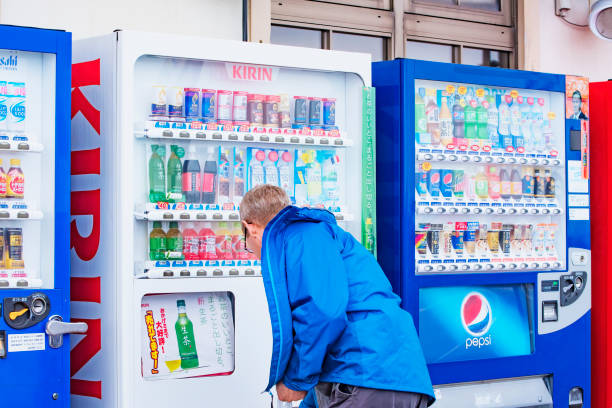
Before you look at a single piece of equipment, we need to clarify your objective. The "best" machine isn't the most expensive one; it's the one that most efficiently meets your business goal in its specific environment.
Ask yourself this question: What is this machine's primary mission?
Passive Income: Are you optimizing for high sales volume and low maintenance? You need dependability and low operational overhead, typically when placing high-demand snack machines in a factory.
Employee/Customer Convenience: Is the machine meant to enhance the client experience? If installing a fresh food machine in a hospital or premium coffee machines in a corporate lobby, the focus shifts to product quality and service reliability.
Retail/Brand Extension: Is the goal to distribute high-value, specialized vending machine items quickly? This strategy demands high-security features and strong visual brand representation.
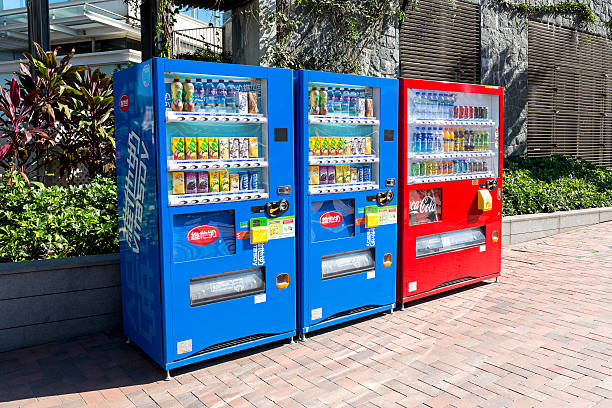
Now that you have clarified your goals, you can objectively evaluate the machine types. The market is segmented into four key categories based on their operational profiles.
These machines are the workhorses of the industry. They offer the lowest barrier to entry and the most reliable revenue streams in high-traffic, impulse-driven areas.
Operational Strength: Exceptionally high uptime and low labor requirements. A full-size snack machine typically holds over 300 items, allowing for less frequent stocking in medium-traffic locations.
Key Constraint: Margins are generally tighter than in specialty vending due to the high product competition.
Best For: Manufacturing facilities, employee breakrooms, and high-volume public transport stations.
This category allows operators to access premium market segments like corporate dining and hospitality, but it demands meticulous management.
Operational Strength: High customer satisfaction and stronger price elasticity. Fresh food machines often command a higher price point for quality items like salads and sandwiches.
Key Constraint: Temperature control is non-negotiable. Advanced monitoring and precise temperature logging are mandatory for regulatory compliance and quality control. If the machine's cooling system is compromised, the entire inventory is lost quickly.
Expert View: It's strongly advised to integrate these units with cloud-based inventory tracking. This feature is essential for preventing expensive spoilage and maintaining hygiene standards.
This category marks the evolution of vending into modern automated retail, combining low spoilage risk with strong profit margins.
Operational Strength: Focuses on non-perishable, high-value goods such as phone cases, chargers, and small electronics. These items allow longer restocking intervals and deliver higher transaction values, often between $15 and $30 per sale, far exceeding traditional snack margins.
Key Constraint: Demands advanced touchscreen interfaces and strong security systems to safeguard inventory. Performance depends on prime retail placement where consumers act on impulse, such as airports or shopping centers.
Best For: Operators targeting high-traffic zones seeking scalable, low-maintenance retail solutions. Modern phone case vending machines support modular design, letting users update product lines easily as new phone models launch.
This covers various specialty machines that solve specific logistical or regulatory problems, often in targeted B2B environments.
Operational Strength: Provides extremely high compliance and operational efficiency. For example, a PPE vending machine in a factory can electronically track which employee took which pair of safety glasses, fulfilling critical safety reporting requirements and often reducing supply waste by up to 30% through controlled access.
Key Constraint: Success is entirely dependent on a niche, captive audience. A PPE machine performs poorly in a general office setting but is indispensable in a manufacturing plant.
Best For: Gyms for supplement dispensing, clinics for over-the-counter medication, and industrial facilities with mandatory safety requirements.
|
Type |
Main Products |
Pros |
Cons |
Best Placement |
|
A: Classic Vending |
Snacks, Canned/Bottled Drinks |
High uptime, low labor, lowest entry barrier, reliable volume revenue. |
Tight margins due to high competition. |
High-traffic impulse areas (Factories, Transit). |
|
B: Climate-Controlled |
Fresh Food, Hot Drinks |
Higher price point (25-40% markup), premium market access. |
High spoilage risk, demanding temp control/logistics. |
Corporate dining, Hospitality. Requires cloud inventory. |
|
C: Retail Innovation |
Phone Accessories, Small Electronics |
Zero spoilage risk, long stock cycles, high transaction value ($15-$30). |
High-tech/security requirements, success highly location-dependent. |
Urgent need/High foot traffic retail (Malls, Airports). |
|
D: Niche Retail |
PPE, Supplements, OTC Meds |
High compliance/efficiency, usage tracking (e.g., B2B safety reporting). |
Success relies entirely on a specific, captive audience. |
Targeted B2B/Specialized environments (Industrial sites, Gyms, Clinics). |
CaseDIY Machine offers fast, AI-powered printing of premium personalized phone cases in just 2 minutes. Designed for high-traffic venues, it delivers a smart, low-maintenance vending solution with strong ROI potential and full remote support.
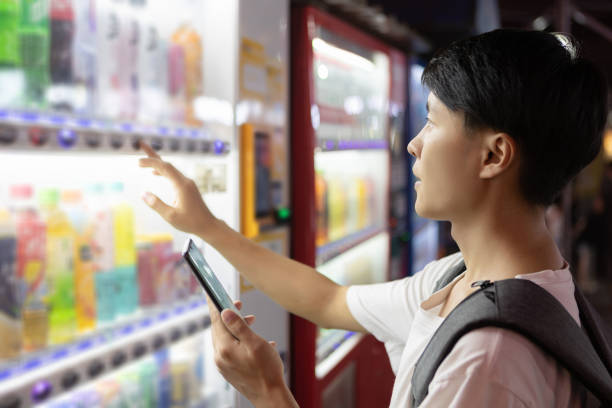
Choosing the right vending machine for your business starts with clarity. You must know your goal, evaluate key factors, and match each one to the type of machine that supports your long-term profitability. Follow these three steps to make an informed, data-driven choice.
Your vending machine’s location is the single most decisive factor for success. It determines customer flow, acceptable pricing, and even maintenance needs.
High-Traffic Areas (Airports, Transit Hubs, Malls)
Foot traffic is high, but dwell time is low. Choose quick-service machines offering grab-and-go products like snacks or cold beverages. These machines generate fast turnover and steady micro-sales.
Controlled Environments (Offices, Universities)
Demand is stable and predictable. Fresh food or premium coffee machines thrive here, serving daily habits rather than impulse needs.
Placing a basic snack machine in a luxury retail mall, for instance, often leads to poor business ROI. The revenue per square foot doesn’t justify the higher lease cost. Location defines opportunity; matching machine type to site context prevents costly mismatches.
Who uses your vending machine determines what you sell, and which machine can handle it best. Market segmentation directly affects profitability.
Students or Factory Workers
Prioritize value and energy. Combo vending machines or traditional snack models perform best here, offering familiar and affordable brands.
Hospitals and Gyms
Focus on health and necessity. Fresh food or wellness-oriented vending machines (offering salads, protein bars, or water) meet demand for nutritious and functional items.
Travelers and Professionals
Prioritize convenience and high-margin goods. Specialty vending machines selling phone accessories, travel adapters, or tech items cater to urgent, time-sensitive needs.
If most of your audience prefers digital payment, avoid machines that only accept cash—otherwise, you’re losing sales you’ll never recover.
Your operation model shapes the kind of vending machine you can sustain. A machine that’s too complex or labor-intensive can quietly drain your profits.
|
Operational Metric |
Low-Complexity Machines (Snack/Soda) |
High-Complexity Machines (Fresh Food/Coffee) |
|
Stocking Time |
Minimal (15–20 minutes per unit) |
Significant (requires dating, rotation, temperature checks) |
|
Maintenance |
Low (coin jams, minor motor issues) |
High (refrigeration, water lines, filter replacement) |
|
Shrinkage Risk |
Low (non-perishable items) |
High (due to expiry and temperature variance) |
When calculating your total cost of ownership (TCO), include not only the purchase price but also utility costs and potential technician expenses.
Now combine the three factors, including location, audience, and operations, to identify your best-fit vending solution.
|
Question |
If the Answer is YES… |
Recommended Machine Focus |
|
Is the location a high-traffic retail area, such as a mall or airport? |
You need high-value, non-perishable goods with premium aesthetics. |
Type C: Retail Vending Machine |
|
Is the site a factory or school with predictable demand? |
You need low maintenance, high durability, and wide appeal. |
Type A: Classic Snack or Combo Vending |
|
Do you need high margins and low inventory expiry risk? |
Focus on non-perishable, high-value specialty items. |
Type C or D: Retail or Specialty Machines |
|
Does the location have a strong demand for fresh meals or drinks? |
Invest in temperature control and frequent servicing. |
Type B: Climate-Controlled Vending |
Profit in automated retail depends on how precisely your vending machine choice fits your market. Strong performance comes from setting clear revenue goals, analyzing location and audience, and choosing a model that aligns with your operational capacity. Any mismatch among these factors can quickly reduce your overall returns.
The most promising opportunity today is in specialized automated retail. These machines lower spoilage risk, require less maintenance, and generate higher-value transactions. Leading brands such as Gobear design modular and secure systems, including phone case vending machines, that help operators meet fast-moving consumer demand while maintaining efficiency and visual appeal.
Contact us today to discover how specialized vending solutions can transform your passive income strategy.
Options range from staple snack and beverage machines to niche kiosks such as mobile phone accessory customization units and combo machines offering diverse goods. Technology adds another dimension—AI-enabled models deliver personalized products while conventional systems remain effective for straightforward dispensing. Align your choice with the location: interactive units excel in malls, while rapid-service models suit transit hubs.
Begin with a location audit. High-traffic malls may benefit from interactive, customizable machines; office buildings typically favor fast snack dispensing. Match products to local demand trends, whether personalized items, fresh meals, or trusted grab-and-go brands. Assess capital requirements, ROI projections, and maintenance workloads—a balanced plan protects margins and enables growth without adding unnecessary labor costs.
Position snack machines in areas with high footfall and dwell time, such as airports, subway stations, and bus terminals. Locations like busy commercial streets and campuses deliver steady daily demand, while cinemas, recreation centers, and supermarkets capture impulse purchases, driving consistent turnover and reliable cash flow.
Modern hybrid machines can pair snacks with drinks or integrate customization alongside conventional goods, expanding customer reach and lifting average spend. Cloud-based inventory systems streamline oversight of mixed product lines, removing the operational friction once common with multi-category vending.
Advanced units require consistent restocking, often weekly, based on usage. Deploy remote monitoring to track inventory and spot technical issues quickly. Adhere to manufacturer cleaning and software update schedules; disciplined upkeep sustains performance and safeguards customer satisfaction, directly encouraging repeat transactions.
Tell us about your business goals, and our experts will provide a tailored solution and a detailed profitability report. Let's start building your new revenue stream together.