Why Vending Machines are the Future of Phone Accessories Retail
Discover why automated retail is the future of the phone accessories market. Learn how AI-driven vending machines cut la...

I'm the COO of GOBEAR. We help entrepreneurs, mall operators, 3C mobile stores, event venues, and campus retailers tap into high-margin, low-maintenance vending models.
The vending machine industry offers a powerful path to building independent wealth, but success demands precision in planning and investment. This comprehensive guide delivers a professional breakdown of your critical startup expenses, from machine acquisition and initial inventory to hidden operational costs and location fees. Use this financial clarity to secure smart financing and launch a resilient, profitable business from day one.
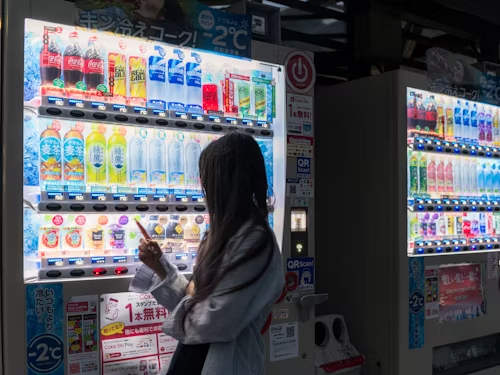
Map out your vending machine budget before you commit any funds. Use these figures to set your cash flow targets, protect your working capital, and maintain a reserve for upgrades or urgent repairs. Remember these key initial expenses:
Machine Purchase Costs: Your largest upfront cost, ranging from $1,000 (used) to $15,000 (new).
Delivery and Installation: Costs vary based on site complexity.
Initial Inventory: Averages $200 to $500 per unit.
Licenses and Permits: Budget $50 to $300.
Location Fees: Expect deposits or commissions in the 5–15% range.
Contingency Fund: Keep an additional 10–15% reserve for unexpected repairs or upgrades.
Choosing between a new, used, or refurbished vending machine directly affects your capital investment, operating margins, and risk exposure. Use this table to carefully weigh each option against your budget, required capabilities, and regulatory needs.
|
Category |
New Machines |
Used Machines |
Refurbished Machines |
|---|---|---|---|
|
Price Range (Approx.) |
$3,000 – $10,000 (Highest upfront cost) |
$1,200 – $5,000 (Lowest upfront cost) |
$2,000 – $7,000 (Balanced cost/reliability) |
|
Technology/Features |
Advanced tech (Cashless, Smart Inventory, Energy-Efficient) |
Typically outdated platforms/systems |
May include select modern upgrades/parts |
|
Warranty & Maintenance |
Robust full-service warranty; minimal unplanned maintenance |
Lack warranty coverage; high risk of costly, unplanned repairs |
Shorter, partial warranties; moderate enhancements to reliability |
|
Sourcing & Support |
Manufacturers/Authorized Distributors; full factory support |
Secondary marketplaces; often, no vendor support |
Specialist providers; moderate support and enhancements |
|
Long-Term Risk & Compliance |
Lowest long-term risk; highest longevity; guaranteed compliance |
Highest long-term risk; potential for non-compliance; shorter lifespan |
Balanced longevity; check compliance for energy/accessibility laws |
Managing your first inventory purchase is a critical step that impacts your machine’s cash flow and operational efficiency. Budget carefully: you need to balance product variety, supplier terms, and shelf life to meet customer demand without tying up capital in slow-moving stock.
Plan to spend $150–$500 per machine for your first load. Snack or drink units in standard locations will be closer to $150–$200, while machines in diverse or premium locations can push costs closer to $500. You must align your spending with foot traffic and turnover. Understocking means lost sales, while overstocking traps cash and risks spoilage.
Machine Capacity dictates the volume you need upfront.
Product Mix is crucial; higher-cost beverages or specialty lines will raise your budget.
High-Traffic Sites justify deeper opening stock.
Perishables increase risk if your demand forecasts are wrong, and supplier minimums can sometimes force you to place bigger orders than you'd prefer.
Prioritize items that turn over quickly and offer high margins to generate strong early cash flow. Match your product selection to each site's profile. Mix proven bestsellers with a few distinctive products to stand out. From day one, enforce disciplined control: track sell-through rates, rotate stock to keep it fresh, and avoid overbuying slow sellers. This minimizes waste, reduces restocking frequency, safeguards quality, and protects both your profitability and customer satisfaction.
Securing a great location is a strategic move that can define your long-term margins. You must negotiate fee structures or commissions carefully, as unfavorable terms can quickly erode profitability, even with strong sales.
Most agreements fall into three categories:
Free placement.
Commission-based contracts, taking 5–15% of monthly sales.
Flat rentals of $50–$200+ per month.
Prime spots in malls, airports, or transit hubs are often at the higher end but can be justified by significantly increased sales turnover. Landlords may also ask for a one-off deposit or placement fee. Factor these charges into your cost model immediately, treating them as fixed overhead. Your goal is to secure locations with a balanced fee-to-traffic ratio, backed by historical footfall data and flexible contract terms that you review regularly to ensure you're meeting your sales targets.
When budgeting for a vending machine startup, it’s easy to overlook insurance, licensing, and technology infrastructure. Yet, each of these is vital and can make or break your operation. Treat them as core investments to avoid unexpected shutdowns, protect your assets, and maintain seamless service.
You absolutely need to secure general liability insurance to cover accidents or property damage. Annual premiums for a small fleet generally range from $400 to $2,000. Selling food items typically carries higher rates. A Business Owner’s Policy (BOP) can combine liability and property coverage for about $58 per month, with $1 million per occurrence being common. Adjust your coverage strategically based on your machine placement to potentially reduce premiums without compromising safety.
Every machine requires proper licensing to prevent fines or shutdowns. Annual fees range from $50 to several hundred dollars, based on the state, city, and location. Selling food may require health permits; all operators need sales tax registration and often local vending permits. Confirm the municipal rules before expanding, as non-compliance risks machine confiscation and damages your vital relationships.
Modern vending relies heavily on systems for cashless payments, remote monitoring, and automatic inventory tracking. The upfront cost for hardware, software licenses, and telemetry for multiple machines can reach thousands, with standard ongoing fees for processors and cloud services. Underbudgeting here reduces your uptime and hurts your competitiveness. Make sure to account for both setup and recurring costs to support mobile payments, instant stock updates, and a reliable customer-ready service at all times.
Place CaseDIY Machines in busy locations to offer personalized phone cases printed in about 2 minutes. With low overhead, no software fees, and remote management, enjoy a strong return on investment—assuming average daily sales—while delighting customers seeking unique designs.
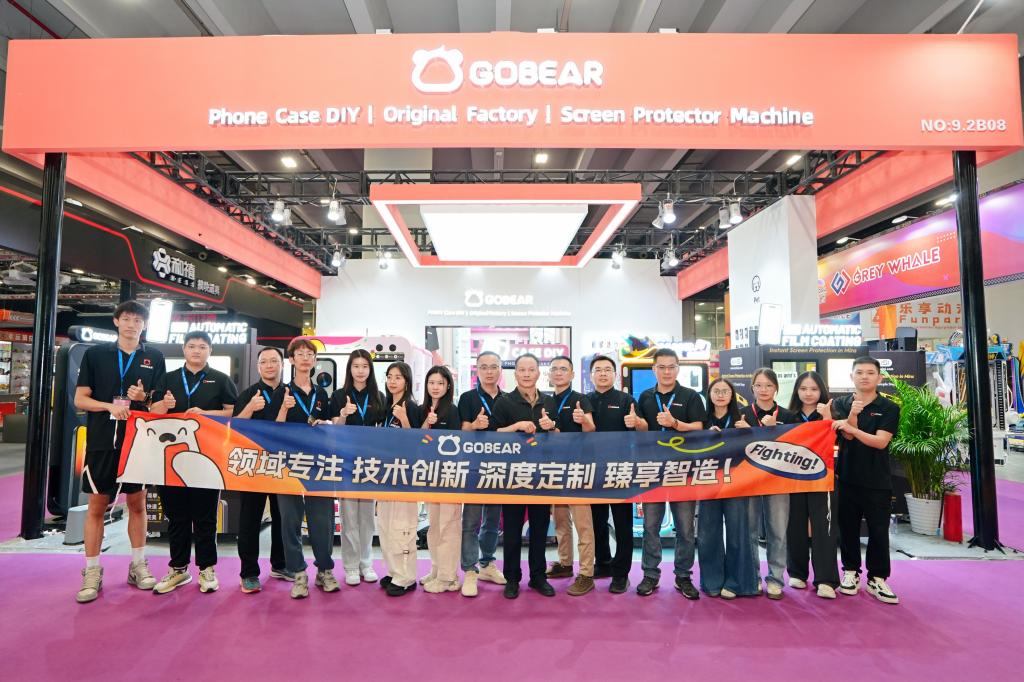
Now that you know where the money goes, let’s bring it all together. Your total startup cost will depend on your machine type, number of units, and location strategy. Here’s how a realistic vending startup budget might look in practice, helping you shift from cost explanation to overall budget planning.
Your total required investment is heavily influenced by your scale and machine choice. Get a global concept of what you might spend:
|
Budget Type |
Description |
Typical Range |
|---|---|---|
|
Small Start |
1–2 Used Machines, Basic Snacks/Drinks, Low-Commission Sites |
$2,000 – $6,000 |
|
Mid-Sized Setup |
3–5 Refurbished or New, Cashless-Enabled Machines, Mid-Level Sites |
$10,000 – $25,000 |
|
Rapid Scaling |
Multiple New Machines, Advanced Tech, Premium/High-Commission Locations |
$30,000+ |
Let’s look at a concrete plan. Say you start with two combo machines (snack + beverage) placed at mid-level office sites:
|
Cost Item |
Estimated Cost |
Notes |
|---|---|---|
|
Machine Purchase (2 units) |
$8,000 |
Assuming two refurbished units at $4,000 each. |
|
Initial Stock |
$600 |
$300 per machine for a diverse snack and beverage mix. |
|
Licenses and Fees |
$200 |
Business registration and local vending permits. |
|
Delivery and Setup |
$400 |
Professional transport and placement costs. |
|
Payment/Tech Setup |
$400 |
Card readers and initial software fees. |
|
Emergency Reserve |
$800 |
10% contingency for urgent repairs/slow months. |
|
Total Estimated Startup Budget |
$10,400 |
/ |
To make sure you launch without running into immediate financial strain, follow these practical steps:
Start Small: Begin with just one or two machines to test your market and operating procedures before you commit to a large-scale investment.
Buy Smart: Consider refurbished models; they can often lower your upfront machine cost by 30–50% compared to new units while offering reliable service.
Track Cash Flow: Use dedicated software or apps to monitor sales, profits, and restocking cycles in real-time, preventing capital from getting tied up in slow-moving inventory.
Keep a Reserve: Always maintain at least 10% of your total investment aside for unexpected repairs, machine upgrades, or bridging slow sales months.
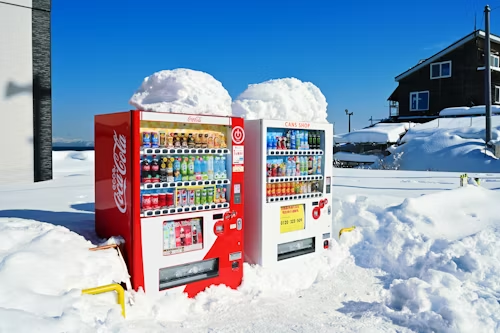
Your funding decisions will shape both your launch speed and your profitability. Align your financing approach with your available capital, your growth objectives, and your tolerance for risk. Choosing the right method helps you launch faster and keep your profits steady.
Using Personal Savings: Eliminates debt service and retains full ownership. Best for operators with sufficient funds who want to keep margins clean.
Small Business Loans: Bank or online lender products for financing machines, stock, and setup. Requires a strong business plan and credit. Best for operators pursuing rapid scaling.
Equipment Financing and Leasing: Spreads machine costs over time (financing) or cuts upfront costs and may include maintenance (leasing). Both ease entry but can raise the total cost and limit flexibility.
Business Credit Cards: Good for covering smaller purchases and daily cash flow. Use short-term tools and clear balances immediately to avoid high interest rates.
Investor Partnerships or Crowdfunding: Delivers substantial funding in exchange for equity or profit share. Reduces personal exposure but requires sharing decision-making and returns.
Match your funding strategy to your credit strength, collateral, and comfort with debt versus equity trade-offs. A robust business plan and accurate financial forecasts will significantly strengthen any funding application you make.
To build a profitable vending operation, you must establish a clear financial foundation from day one. This involves strategically choosing your equipment, accurately budgeting for inventory and hidden costs like insurance and technology fees, and carefully negotiating location commissions to protect your margins. By maintaining a 10–15% financial reserve and leveraging smart financing, you position yourself to manage unexpected expenses and scale your business efficiently, ensuring long-term resilience and profitability.
The key to successful niche vending is selecting the right machine partner. For specialized sectors, such as electronics or accessories, companies like Gobear offer highly reliable, purpose-built solutions. As a reputable phone case vending machine manufacturer, Gobear provides the specialized equipment and modern technology needed to succeed in high-demand retail environments, moving beyond traditional snacks and drinks into high-margin products.
Ready to find the right equipment to match your budget and location strategy?
Partner with Gobear to start your vending machine business successfully.
Choose a busy location such as a mall or campus, stock trendy phone cases, and use a vending machine with cashless payment options. Refresh your designs regularly to attract impulse buyers and maintain strong profit margins, as phone cases are low-cost and easy to manage.
Expect recurring costs for inventory restocking, payment processing fees, and any location commissions or rental charges. IoT-enabled machines add minor electricity and connectivity fees. Keep maintenance schedules proactive to avoid downtime and safeguard margins.
Combine personal savings with small loans from friends or family to cover early expenses. Explore bank loans, microfinance, or business credit lines for formal financing. Leasing machines reduces upfront capital demands, freeing cash for inventory and marketing. If the concept has strong scalability, investor partnerships may accelerate growth.
Unexpected repairs, insurance premiums to cover theft or vandalism, and promotional campaigns to boost usage can add to operating costs. For smart machines, budget for cloud management platforms as part of the monthly overhead.
Define target customers and secure locations with consistent foot traffic. Map all costs against conservative sales forecasts, accounting for competition and operational risks. Include financing strategy, marketing tactics, and an expansion timeline to attract funding and guide daily decisions.
Tell us about your business goals, and our experts will provide a tailored solution and a detailed profitability report. Let's start building your new revenue stream together.