The 5 Hidden Risks of Starting a Vending Machine Business
Discover the real risk of vending machine business, from theft to downtime, and learn how smart vending cuts losses and ...

I'm the COO of GOBEAR. We help entrepreneurs, mall operators, 3C mobile stores, event venues, and campus retailers tap into high-margin, low-maintenance vending models.
Running a successful vending machine business means understanding a lot more than just what snacks to sell or where to place your machines. The real foundation for profit and smooth operations comes from navigating the often-complex legal and financial requirements.
This guide helps you simplify those crucial steps. We'll outline the essential permits you need to operate legally, explain what goes into a solid location contract, including critical performance clauses, and clarify the varied tax obligations you'll face, such as how tax-inclusive pricing impacts your bottom line.

| Region/Jurisdiction | Core Requirements | Key Takeaway |
|---|---|---|
| United States (General) | State business registration, sales tax permit, local machine permits, federal nutrition disclosures, ADA compliance. | Vending in the U.S. involves state registration and sales tax permits alongside federal mandates for accessibility and labeling. |
| Texas (USA) | LLC or corporation registration, Texas sales tax permit, possible local city or county business license. | Navigating Texas vending regulations requires state registration and strict sales tax permitting. |
| Florida (USA) | LLC registration, state business license, retail food establishment permit, state sales tax permit. | Operating in Florida involves a multi-layered process requiring specific food establishment permits. |
| California (USA) | LLC registration, California seller’s permit, city or county business license, local placement permits. | California has a clear framework but requires navigating complex local zoning and placement rules. |
| Ireland | General business license, VAT registration, food-handling permits. | Vending in Ireland requires general licenses plus specific food permits that vary significantly by county. |
| United Kingdom | Mandatory food business registration 28 days prior, food safety compliance. | UK vending machines selling food or drink are treated as food retail and must register with the local council. |
| Dubai (UAE) | Trade license, corporate tax registration, municipal site approvals. | Dubai requires a trade license and specific municipal approvals for placing machines in malls or offices. |
| Cross-Border | Business registration in each country, import licenses, VAT or sales tax registration. | International operations require extensive multi-country registrations and customs compliance. |
Most vending operators in the U.S. need to establish a state-level business entity, such as a Limited Liability Company (LLC). You also require a general business license and a sales tax or seller’s permit. Additionally, local city or county rules often mandate a permit for each vending location or even for individual machines. This foundational setup ensures businesses operate within basic legal frameworks.
Beyond these initial steps, selling food or beverages usually calls for health department permits and routine inspections. Federal regulations add further layers of compliance. These can include obtaining an Employer Identification Number (EIN), ensuring accessibility for machines under the Americans with Disabilities Act (ADA), and complying with FDA calorie disclosure rules if you operate a large fleet of machines. Specific rules also apply to tobacco vending.
Operating vending machines in Texas involves specific legal and regulatory steps to ensure compliance with state and local requirements. Owners typically begin by establishing a business entity, such as an LLC or a corporation, through the Texas Secretary of State. This foundational step provides legal structure and liability protection for the vending machine enterprise.
Beyond business registration, a crucial requirement is obtaining a sales tax permit from the Texas Comptroller of Public Accounts, which is essential for collecting and remitting sales tax on vending machine revenue. Additionally, local city or county governments may impose their own specific business licensing rules or demand permits related to the physical locations where machines are placed, necessitating thorough local research to avoid compliance issues.
Florida outlines a clear regulatory path for vending operators. Businesses are required to establish an LLC with the Florida Department of State and secure a business license from the Department of Business and Professional Regulation. Additionally, obtaining a retail food establishment or similar vending permit from the Florida Department of Agriculture and Consumer Services is a crucial initial step.
Further requirements include acquiring a sales tax permit from the Department of Revenue. Operators also need to address any specific city or county-level licenses and permits before they can legally place vending machines within the state. This multi-layered approach ensures compliance across various governmental levels for all vending operations.
Businesses operating vending machines in California need to follow specific legal steps. This often starts with forming a legal entity, such as an LLC or corporation, through the California Secretary of State. After establishing the business structure, obtaining a seller’s permit from the California Department of Tax and Fee Administration is a mandatory requirement for these operations.
Beyond state-level compliance, local governments within California add their own layer of regulations. Vending businesses must secure a local business license and adhere to specific zoning and placement rules for each machine location. This means a thorough understanding of both state and local ordinances is crucial for successful operation.
In the UK, vending machines that sell food or drink are treated as food retail operations. Operators must register these machines with the local authority at least 28 days before they begin trading.
This registration process is typically free and can often be completed online. However, it is crucial for operators to consistently maintain minimum food safety and hygiene standards, as non-compliance can lead to the revocation of their registration.
Setting up a vending machine business in Dubai requires specific legal and regulatory steps. Businesses must obtain a trade license and adhere to UAE corporate law, which includes registering for corporate tax and fulfilling filing obligations.
Beyond general corporate compliance, operators need to secure additional permissions. Municipality approvals and specific site clearances are standard requirements for placing vending machines in common locations like malls, offices, and public spaces throughout Dubai. These steps ensure proper integration and operation within the city's infrastructure.
Cross-border vending operations demand a general business registration in each country of operation. Additionally, country-specific permits for vending machines, food, and health compliance are essential.
Bringing machines or stock across borders often necessitates import and customs licenses. Operators also need to register for local VAT or sales tax numbers to properly collect and remit taxes.
Operating a vending machine business requires several permits and licenses. These include a general business license, a seller's permit for sales tax, and health permits for food or beverage machines. Zoning permits ensure compliance with local land use, and some jurisdictions also require specific vending licenses. The exact requirements change based on your state, city, product type, and machine location.
A general business license provides legal recognition for your business, a fundamental requirement across the country. A seller’s permit is necessary for collecting and remitting sales tax on items sold. Health permits ensure food and beverage machines meet safety standards through regular inspections, especially for perishable products.
The Non-Food Advantage: Health permits are only required for machines selling food or beverages. If you operate a non-food machine, such as a phone case or electronics dispenser, you are completely exempt from health department inspections. This eliminates a major layer of bureaucracy and ongoing fees, making non-food vending significantly easier to launch.
Permit requirements vary significantly by state, city, product type, and location. This affects business registration and sales tax compliance. Some municipalities charge a flat annual fee, while others may require a base license fee plus an additional decal fee for every single machine you deploy.
The application process involves gathering necessary documents, such as an EIN. You submit these documents to local or state authorities, often online. You also pay application fees and pass required inspections, including health or zoning checks. For ongoing compliance, regularly renew licenses and prominently display them or any required decals on your machines. Always check with local health and business offices for the most current requirements, as regulations frequently update.

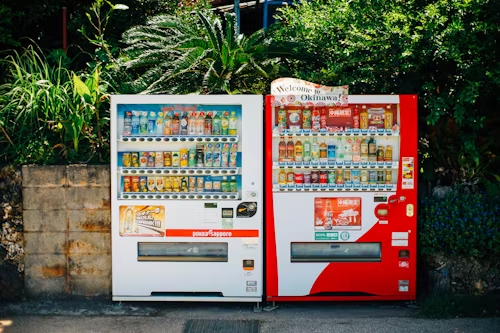
Vending machine location contracts typically set a term of 1-5 years, grant the vendor exclusive service rights, and specify compensation. These agreements define ownership of machines and products, assign utility and space responsibilities, and outline vendor obligations for servicing.
Compensation Structure: Typically a percentage of gross sales. Ideally, negotiate to pay based on net sales after tax to protect your margins.
Performance Clause: Also known as a Kick-out Clause, this protects you by ensuring you can terminate the contract early if the machine generates less than a specific revenue threshold for three consecutive months. This prevents you from being locked into a losing location.
Exclusivity: Ensures no other competitor can place a machine next to yours.
Ownership: Clearly state that the vendor retains full ownership of the machine and inventory at all times.
Agreements define who is responsible for utility costs and the specific placement of machines on the premises. Contracts detail obligations for machine servicing, restocking, and maintenance, including response times for repairs. Location contracts include clauses for liability covering damage, theft, and injury, as well as insurance requirements and vendor compliance with local permits, licenses, and taxes.
As a vending machine operator, you must handle sales and excise taxes, which vary by state and locality, sometimes with special rates for food. You also need to register for permits and file returns. Beyond sales, you pay federal and state income tax on net profits, deducting various business expenses.
Unlike retail stores where tax is added at the register, vending machine prices usually include the sales tax. This creates a calculation trap for beginners.
Hypothetical Example: Suppose your local sales tax rate is 8% and you sell an item for $1.50.
The Math: You do not keep the full $1.50. You must calculate backward: $1.50 ÷ 1.08 = $1.39 is your actual revenue, and $0.11 is the tax you owe.
The Lesson: Always factor the tax out of your sticker price when calculating your profit margins to avoid unexpected losses.
Many states require you to register for sales tax or excise permits and file periodic returns. Local sales tax rates significantly impact the total tax, with combined state and local rates varying widely by city and business district.
You are subject to federal and state income tax on net profits, deducting expenses like product cost, commissions, depreciation, and operating costs. Maintaining strong internal records, including meter readings, inventory tracking, and reconciliation of cash/cashless payments, is crucial for verifying reported sales and reducing audit risk due to the nature of vending transactions.
Vending machine businesses usually need a Business Owner’s Policy (BOP), which combines general liability and commercial property insurance. However, simply "having" insurance isn't enough for most landlords.
High-value locations such as malls or office towers will require a Certificate of Insurance (COI). They will also likely demand to be listed as an "Additional Insured" on your General Liability policy. This protects them if someone sues due to an injury caused by your machine. Ask your insurance broker about this before you sign the location contract.
General liability: Covers third-party bodily injury and property damage, often mandated by location owners with specific per-occurrence limits.
Commercial property insurance: Protects machines, inventory, and equipment from theft, fire, and vandalism.
Product liability: Crucial for food and drink vending, covering issues like illness from spoiled products.
Cyber liability: Addresses data breaches and fraud risks associated with cashless payment systems.
Workers’ compensation: Covers employee injuries or illnesses incurred during work, and is mandatory in most states.
Commercial auto insurance: Necessary for vehicles used to restock machines, as personal auto policies usually exclude business use.
Commercial crime insurance: Offers additional protection against theft, vandalism, and employee dishonesty.
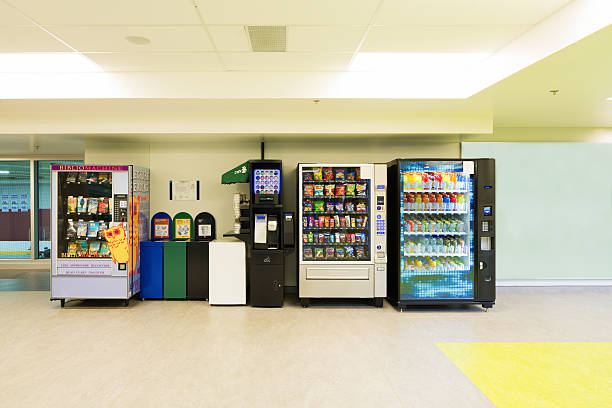
New vending operators secure several key licenses and permits to operate legally, varying by state, county, and city. Requirements typically include a general business license, sales tax permit, and health inspections for food/beverage machines, with fees and specifics differing locally.
| Permit Type | Description | When Required |
|---|---|---|
| Business License | Foundational license recognizing your business as a legal entity. | Nearly all states and localities. |
| Seller’s Permit | Allows collection and remittance of sales tax on taxable goods. | For selling any taxable items; exceptions exist for low-cost items in some states. |
| Health Permit | Ensures food and beverage machines meet safety standards via inspections. | Vending perishable food/drinks; local health dept. oversight. |
| Zoning Permit | Verifies machine placement complies with local land use rules. | Specific to location, such as strict zones near schools. |
| Vending License | Specific operator or machine registration, sometimes with decals/fees. | Varies by state and municipality; check local codes. |
General Business License: Secure a general business license, required for all business structures including LLCs, corporations, and sole proprietorships in most jurisdictions, typically obtained through city or county offices.
Federal EIN: Obtain a Federal EIN from the IRS for tax purposes.
Sales Tax Permit: Acquire a sales tax permit, also known as a seller's permit, to legally collect sales tax.
Health Permit: If vending food or beverages, a health permit or foodservice license is mandatory, requiring inspections for sanitation, expiration dates, and overall safety.
Site Plans: Submit site plans and documentation detailing machine placement for approval before installation.
Inspections: Schedule an opening inspection with the local health department once the machine is installed and stocked.
Labeling: Visibly affix operator details and permit numbers on each vending machine, as mandated by regulations.
Maintenance: Ensure machines are consistently stocked with fresh, non-expired items sourced from reputable vendors and maintain high standards of sanitation.
Renewals: Renew all licenses and permits punctually to avoid penalties.
Updates: Comply with local zoning laws, product labeling requirements, and tax reporting obligations. Always verify specific compliance requirements with local authorities.
Operating vending machines legally typically requires a business license, which could be a general business license, vending license, or coin-operated machine license. Specific requirements depend on the location, products sold, and the scale of the operation.
Commissions for vending machine placements usually involve negotiating a revenue share with property owners, often ranging from 10-30% of sales. This serves as a significant profit incentive for property owners.
Applicable taxes generally include sales tax, which requires a seller’s permit or sales tax license. Additionally, state-specific fees may apply, such as occupation taxes for coin-operated machines or general business privilege taxes, depending on your location.
Navigating permits, health codes, and tax calculations is complex, but choosing the right product can drastically simplify the process. Gobear offers the smartest route to compliance: by choosing our DIY phone case printing machines or automatic screen protector vending machines, you naturally bypass strict health codes, spoilage risks, and hygiene inspections associated with food vending. We provide the industrial Epson hardware and contract templates you need to secure top locations.
Ready to lauch you start your next project? Partner with us today to launch a compliant, high-margin business with zero franchise fees.
Tell us about your business goals, and our experts will provide a tailored solution and a detailed profitability report. Let's start building your new revenue stream together.