How Long Does It Take to Break Even on a Screen Protector Vending Machine?
Discover the real ROI of a screen protector vending machine. Learn how automation cuts break-even time to just 3-6 month...

I'm the COO of GOBEAR. We help entrepreneurs, mall operators, 3C mobile stores, event venues, and campus retailers tap into high-margin, low-maintenance vending models.
Thinking about starting your vending machine business? You’re not alone. This industry offers a unique opportunity to earn steady income while providing convenience to customers. But before you invest in machines or stock your first products, there are key questions you need to answer.
In this guide, we’ll walk you through everything you need to consider, helping you plan smarter and start with confidence.
Starting a vending machine business involves more than just buying a machine. The costs vary depending on the type of machines you choose, the products you sell, and the locations you target. A clear breakdown of typical startup costs is shown below:
| Cost Item | Estimated Amount | Details |
|---|---|---|
| Vending Machine | $1,500 – $10,000 | Basic snack or drink machines cost $1,500–$5,000; advanced machines with touchscreens or card readers cost $6,000–$10,000. |
| Inventory | $200 – $1,000 per machine | Initial stock of snacks, drinks, or tech accessories. Costs vary by product type and quantity. |
| Licenses & Permits | $50 – $300 | Business license, health permits, and local vending permits depending on your city or state. |
| Insurance | $200 – $500 per machine/year | Covers theft, damage, or liability claims to protect your investment. |
| Maintenance & Tools | $100 – $300 | Spare parts, cleaning supplies, and basic tools for regular upkeep and repairs. |
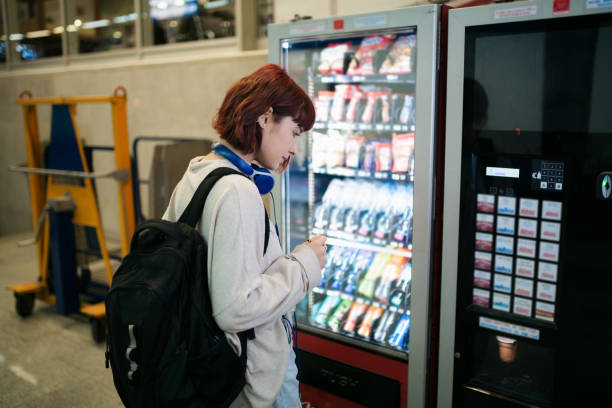
Choosing the right places can make or break your vending machine business. You want spots with high foot traffic, easy access, and customers who actually need your products. Here are the key factors to consider:
By carefully evaluating locations using these factors, you can increase your chances of steady, reliable income from your vending machines.
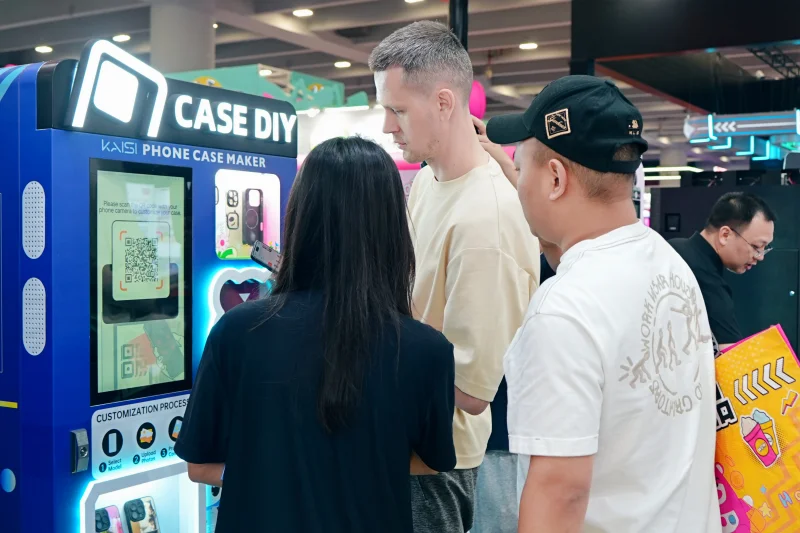
Not all vending machines generate the same revenue. Your profits depend on the products you offer and the locations you choose. Understanding the different types of machines can help you identify which options are most likely to make the most money.
Snack and drink machines are classic options with steady demand and typical profit margins between 30% and 50%. They perform well in offices, schools, and factories where customers want quick access to refreshments.
Machines offering protein bars, organic drinks, or healthier snacks attract a health-conscious audience. Margins may be slightly lower than traditional snacks, but these machines benefit from loyal customers willing to pay a premium for quality products.
A phone case vending machine is one of the most profitable options. Customers need quick replacements or want new designs, creating consistent demand. Profit margins can reach 60–70%, especially in high-traffic areas like malls, airports, and university campuses. Focusing on phone case vending machines allows you to generate steady revenue and attract repeat customers.
Combination machines that mix snacks, drinks, and tech products offer convenience but require careful inventory management. If you focus on high-demand items like phone cases within these machines, you can still achieve strong returns while meeting diverse customer needs.
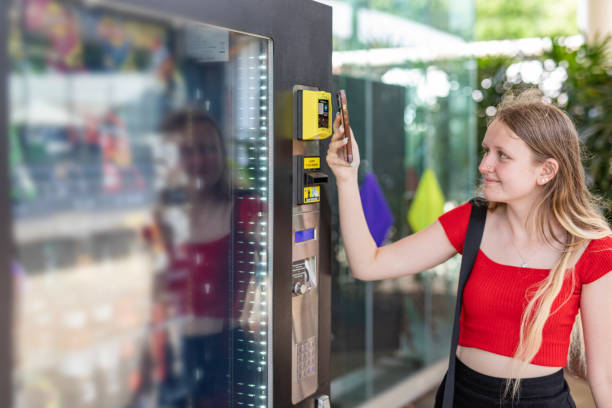
Profitability varies widely based on machine type, location, and sales volume. On average, a single snack or drink vending machine in a prime location can generate $75–$300 in net profit per month. Machines offering high-demand tech products or specialized items can earn $200–$500 per month per machine.
Key factors that affect profit include:
A vending machine stocked with $400 worth of drinks and snacks at a 50% margin could generate around $200 in profit monthly. With three machines in high-traffic locations, monthly profit could reach $600–$900.
Proper sourcing and inventory management are critical to sustaining profitability in a vending machine business. Focusing on quality, demand, and operational efficiency can prevent losses and improve returns.
Partner with reputable wholesalers and manufacturers to ensure consistent product quality. Evaluate suppliers based on delivery reliability, product consistency, and pricing structure. For high-demand items like beverages, snacks, or tech accessories, establish minimum order agreements to guarantee stock availability and avoid disruptions.
Use historical sales data to identify fast-moving and slow-moving items. Categorize products by turnover rate, seasonality, and location performance. This allows you to forecast demand accurately and adjust your inventory, minimizing both overstocking and stockouts.
Adopt inventory tracking tools—spreadsheets, mobile apps, or specialized vending management software—to monitor stock levels, sales, and machine performance. Set reorder thresholds and automate alerts to ensure timely restocking without overburdening your cash flow.
Combine inventory tracking with a consistent restocking schedule. Inspect machines during each visit for mechanical issues, cleanliness, and proper functioning. Well-maintained machines reduce downtime, improve customer experience, and protect your investment over time.
Every vending machine business faces challenges that can affect profitability. Recognizing these issues in advance allows you to take preventive measures and maintain steady operations.
Machines placed in poorly monitored areas can be targets for theft or vandalism. Choosing locations with natural surveillance, high foot traffic, or security cameras helps reduce these risks. Additionally, investing in reinforced machines or lock mechanisms can protect your assets.
Mechanical failures or payment system errors can disrupt sales and frustrate customers. Conduct regular preventive maintenance, keep spare parts on hand, and ensure staff can perform basic troubleshooting to minimize downtime.
Perishable items such as drinks or snacks have a limited shelf life. Rotating stock, monitoring expiration dates, and tracking sales trends are essential to avoid waste, customer complaints, and lost revenue. High-turnover items should be prioritized for frequent restocking.
Nearby vending machines or convenience stores can impact your sales. Carefully selecting unique products or exclusive locations can help offset competition. At the same time, managing upfront costs, restocking, and maintenance requires disciplined cash flow planning to keep operations smooth.
Starting a vending machine business can be both rewarding and profitable if approached thoughtfully. Understanding startup costs, choosing the right locations, selecting profitable machine types, and managing inventory effectively are all key factors in success.
Investing in reliable equipment and learning the nuances of customer behavior pays off. Even small machines offering high-demand items like phone accessories can generate substantial returns when placed strategically.
Ready to launch your vending machine business? Browse CASE DIY’s professional vending machines and find the perfect solution for your business today.
Tell us about your business goals, and our experts will provide a tailored solution and a detailed profitability report. Let's start building your new revenue stream together.