The 5 Hidden Risks of Starting a Vending Machine Business
Discover the real risk of vending machine business, from theft to downtime, and learn how smart vending cuts losses and ...

I'm the COO of GOBEAR. We help entrepreneurs, mall operators, 3C mobile stores, event venues, and campus retailers tap into high-margin, low-maintenance vending models.
Most vending operators rely on selling hundreds of low-margin snacks just to break even. A screen protector vending machine business operates on a completely different financial model because it solves a genuine frustration.
Applying a screen protector is annoying. People struggle with alignment, dust, and bubbles, often ruining the product in the process. They are happy to pay a premium to have someone else handle it.
This guide focuses on execution. We cover capital requirements, hardware selection, and location strategies to help you launch a successful operation in 2026.
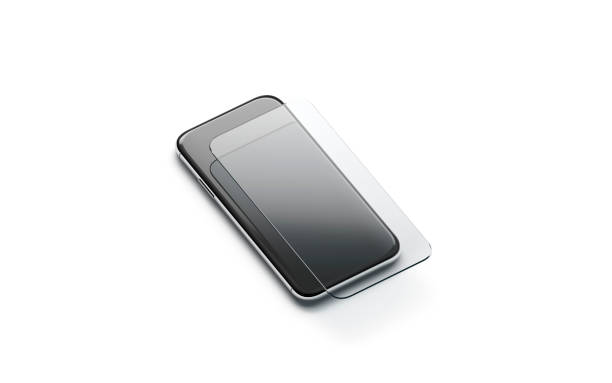
The profitability of this business model is simple: you eliminate the cost of human service staff while retaining service-level pricing.
In a traditional kiosk, if your employee calls in sick, your shop is closed. With automated retail solutions, the machine operates independently and consistently. You do not need to constantly monitor the operation. You only deploy resources when the system flags low inventory, using a "management by exception" approach that allows a single operator to manage dozens of units efficiently.
The financial advantage comes from the margin structure. A screen protector costs very little to manufacture, but customers willingly pay retail prices of $15 to $20 for the convenience of a perfect installation. This margin is fully retained by the business owner because there are no hourly wages to deduct. Additionally, the machine captures late-night and early-morning sales that manual repair shops miss.
Unlike opening a coffee shop, where capital is allocated to renovation and design, this business is asset-heavy. The primary investment is the technology itself.
Startup Cost Breakdown:
|
Cost Category |
Investment Priority |
Notes |
|---|---|---|
|
Smart Vending Hardware |
High |
This is the core asset. Invest in industrial-grade reliability to prevent downtime and repair costs. |
|
Regulatory & Compliance |
Medium |
Allocation for business licensing, liability insurance, and necessary location permits. |
|
Initial Inventory |
Low |
Restocking is inexpensive. A box of films costs a fraction of the inventory required for food vending. |
|
Location Lease |
Variable |
Typically negotiated as a revenue share percentage or fixed monthly rent. |
Experienced operators often seek turnkey solutions. Instead of sourcing hardware and software separately, looking for a consolidated package costing around $12,000 for premium setups is often more efficient. This should include the machine, software license, and a comprehensive warranty. A strong warranty is essential for protecting your capital investment against technical failures in the first few years.
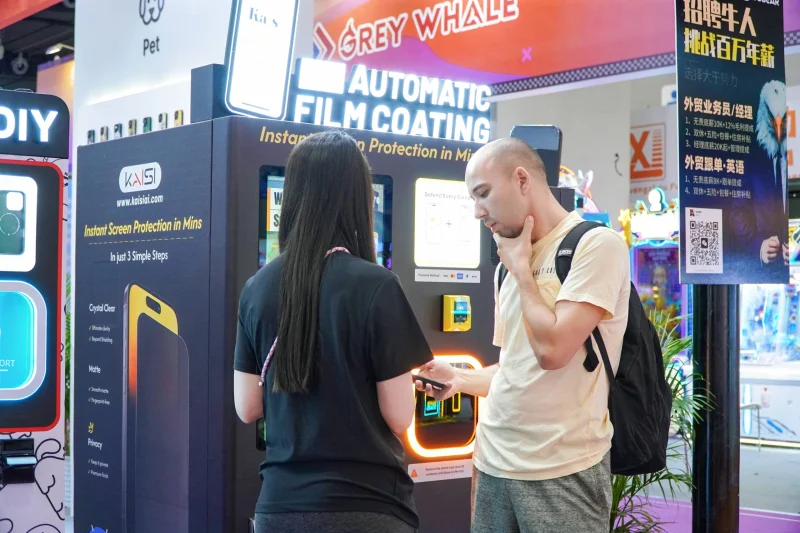
Your screen protector vending machine has one primary function: to apply the screen protector perfectly every time. If it fails to do this, customer trust is lost, and refunds will erode your profits.
Avoid machines that simply dispense a packaged product. You need automated screen applicator hardware that performs the service. Look for units with laser guidance and computer vision. The system needs to scan the phone, align the film to within 0.1mm, and complete the installation without bubbles. Speed is also a factor; the optimal cycle time is under 90 seconds to prevent queues during peak hours.
Cashless transactions dominate this sector. If your machine cannot process digital payments, you will lose the majority of your potential sales.
Integrated Cashless Payment: Use a machine with a built-in global payment gateway. Integrated systems are more reliable and professional than third-party add-on card readers.
Universal Compatibility via IoT: New phones are released annually. Your machine must be capable of downloading new model data from the cloud instantly. Manual software updates via USB are inefficient and not scalable.
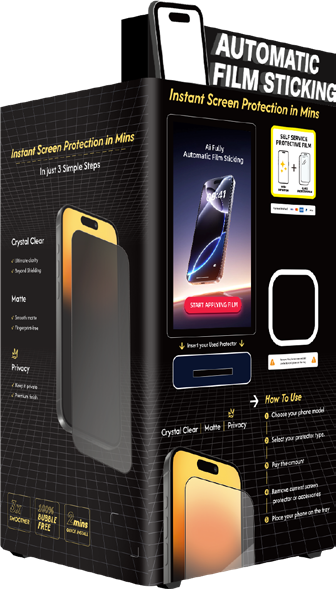
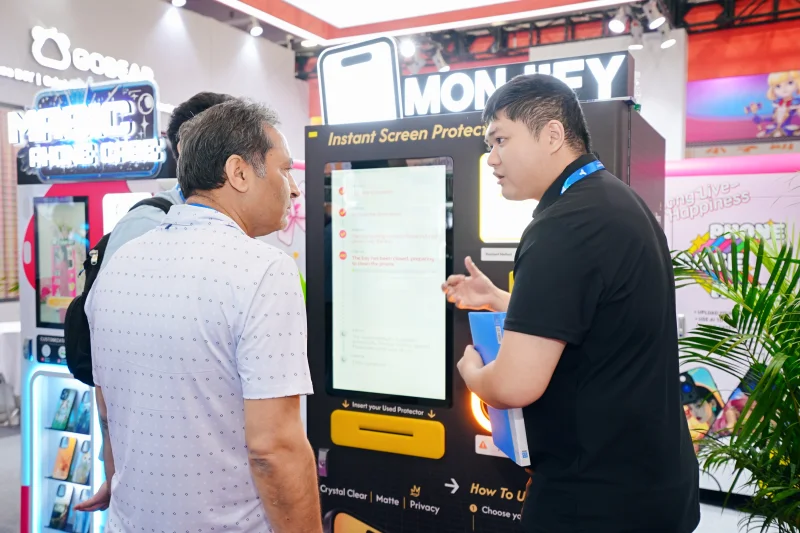
Volume alone does not guarantee sales. A thousand people walking past your machine is useless if they have no intent to stop. You need to identify locations with "captive audiences"—people who are waiting or specifically looking for mobile services.
These are prime locations for immediate conversion. Travelers dragging luggage often drop their phones or realize they need protection before a trip. In this environment, the need is immediate, making customers less price-sensitive and more likely to purchase on impulse.
Corporate offices provide a predictable demographic with steady income who value convenience over price. Alternatively, placing units near mobile carrier stores is highly effective. Customers often leave a carrier store with a new device but no accessories, making them an ideal target for your machine.
Before signing a lease, verify the physical utility of the site. Ensure there is a reliable power outlet and a strong 4G/5G cellular signal. Without stable connectivity, credit card processing will fail, and remote monitoring will be impossible, rendering the machine non-functional.
While this business avoids the complexities of food safety regulations, legal compliance is still mandatory.
Essential Documentation Checklist:
General Business License: Form an LLC to separate personal assets from business liabilities. Authorities typically view this as general merchandise vending.
Sales Tax Permits: You must register to collect and remit sales tax based on the machine's physical location.
Liability Insurance: Premium venues like malls and airports require general liability policies to protect against potential claims of injury or property damage.
In many Western markets, compliance extends to accessibility standards such as the ADA in the US. Ensure your machine's interactive touchscreens and payment terminals are positioned at a height accessible to wheelchair users to avoid legal penalties. Additionally, while the machine uses computer vision for alignment, verify that the system processes images locally for calibration purposes only and does not store any customer device data, ensuring operational privacy.
Do not rely on luck for your opening day. Execute a strict testing protocol to ensure the machine is ready for commerce.
Legal & Site Verification: Confirm the contract is signed, and the business entity is active.
Financial Tech Testing: Process small transactions using all payment methods, including chip insertion, contactless taps, and mobile wallets, to verify funds are settling in your bank account.
Mechanical Calibration: Run multiple test cycles. Observe the mechanical movement to ensure the screen protectors are handled smoothly without jamming.
IoT Configuration: Check your remote dashboard. Verify that the sale you just made is reflected in the real-time data. If the data isn't live, you cannot effectively manage your inventory.
The goal of this business is to minimize site visits. You should only travel to the machine when data indicates it is necessary.
Use your Smart Cloud Management dashboard to monitor your machines remotely. If a unit has sufficient stock, no action is required. If a specific machine is running low on a popular model, that data triggers a restocking trip. This efficiency allows one person to manage multiple locations without being overwhelmed.
Technical issues can happen. Clearly display a support contact method, like a QR code or phone number on the machine. If a vend fails, issuing an immediate refund via your phone resolves the issue quickly and maintains a good relationship with the venue management.
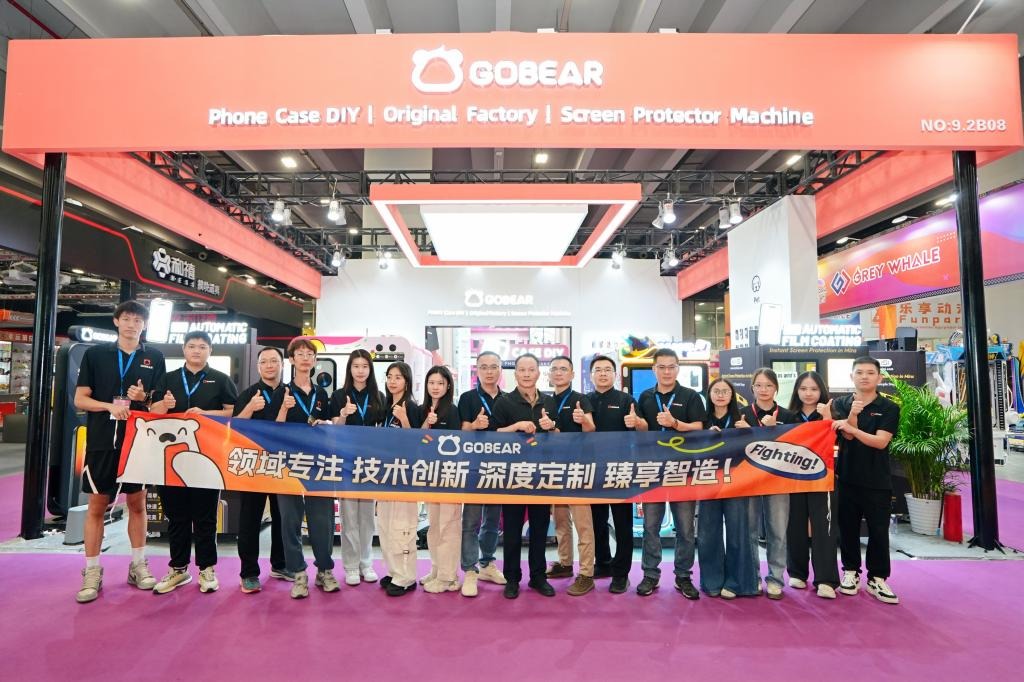
You need hardware designed for autonomy. GOBEAR provides the infrastructure for a scalable, automated business, combining industrial-grade robotics with intelligent software.
Industrial-Grade Reliability: We back our hardware with a market-leading 3-year warranty. While others offer standard coverage, our machine is built for continuous commercial use, securing your long-term asset against technical failure.
Smart Cloud Ecosystem: Manage your entire business from your phone. Our proprietary IoT dashboard provides real-time visibility into sales data and inventory levels, allowing you to operate efficiently without being on-site.
Precision AI Application: The core of our technology is the AI-driven vacuum application system. It ensures 0.1mm accuracy and a 100% bubble-free finish every time, delivering the premium experience that justifies retail pricing.
Ready to build a scalable automated business? Partner with us today to verify the precision accuracy firsthand and get your first unit deployed.
The primary expense is the hardware. Most operators budget for a premium machine alongside smaller allocations for licensing, insurance, and initial inventory. Unlike traditional retail, there are no renovation costs, making the barrier to entry significantly lower than opening a physical store.
Recovery time is typically faster than brick-and-mortar businesses due to high margins and low operating costs. Since you do not pay hourly wages and the cost of goods sold is minimal relative to the retail price, net profit accumulates quickly in high-traffic zones.
Space efficiency is a key selling point. Most units require less than one square meter of floor space. This compact footprint gives you leverage when negotiating rent, as you can utilize "dead space" in malls or transit hubs that would otherwise be unusable for larger tenants.
Obsolescence is a major concern in tech, but modern machines handle this via the cloud. When a new iPhone or Samsung device launches, the manufacturer pushes an Over-The-Air update to your machine's database. This ensures your inventory capabilities remain current without requiring hardware modifications.
Aside from refilling inventory, maintenance is minimal. Operators should periodically clean the optical sensors and application nozzle to ensure precision. A quick mechanical check every few weeks ensures the robotic components remain calibrated for bubble-free application.
Tell us about your business goals, and our experts will provide a tailored solution and a detailed profitability report. Let's start building your new revenue stream together.